

Geomagnetic storm set to enhance aurora visibility Thursday night
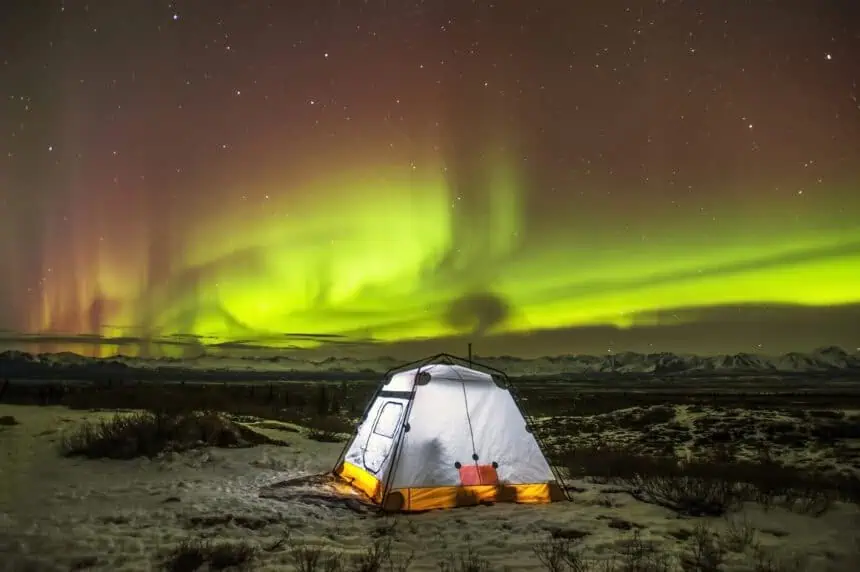
A recent coronal mass ejection (CME) from the Sun, combined with high-speed solar wind streams, is setting the stage for a potentially stunning display of the northern lights across parts of the northern United States tonight, Thursday, May 9. According to the National Oceanic and Atmospheric Administration (NOAA), auroral activity is expected to intensify heading into Friday, offering a rare opportunity for skywatchers well beyond the usual polar regions.
Where to look for the aurora tonight
Forecast models from NOAA suggest a Kp index of 3 for Thursday evening, which typically restricts visibility to higher latitudes. However, there’s a chance the index could climb to 4, expanding visibility farther south. Under these conditions, portions of South Dakota, Maine, and the Upper Midwest could briefly catch the aurora, especially in dark-sky areas far from urban lighting.
The strongest visibility is expected across:
- Northern Minnesota
- Northern Idaho
- Montana
- North Dakota
- Upper Michigan
- Northeastern Washington
- Wisconsin
The viewing window is best from 10 p.m. to 2 a.m. local time, with clear skies and north-facing vantage points significantly increasing the chances of a good sighting.
What’s fueling this aurora event
This burst of auroral activity follows the May 5 CME, which may deliver a “glancing blow” to Earth’s magnetic field by late Thursday into Friday. Alongside that, high-velocity solar winds emerging from a coronal hole—a cooler, less dense area on the sun’s surface—are expected to interact with Earth’s magnetosphere, creating ideal conditions for a minor geomagnetic storm.
NOAA forecasters emphasize that the northern lights could become even more dynamic on Friday, as both solar wind and CME effects converge over the northern U.S. and Canada.
How to view and photograph the aurora
For those hoping to capture this celestial phenomenon, NOAA and photography experts recommend heading to a dark, elevated location facing north, ideally away from light pollution.
If you’re using a smartphone, disable the flash and enable night mode. For DSLR or mirrorless cameras, opt for a wide-angle lens, use an aperture of f/4 or wider, and set the focus to infinity for best results.
A season of solar activity
The northern lights have become increasingly visible thanks to the ongoing solar maximum, a peak phase in the 11-year solar cycle that began around October 2024 and is expected to persist through early 2026. During this time, the sun is especially active, generating frequent CMEs and solar flares, which interact with Earth’s upper atmosphere, exciting oxygen and nitrogen particles and creating the glowing curtains of green, red, and purple light.
This year’s powerful solar activity already brought the aurora as far south as Texas and Florida in May 2024, with another notable display last October.