

First tropical wave forms ahead of official hurricane season
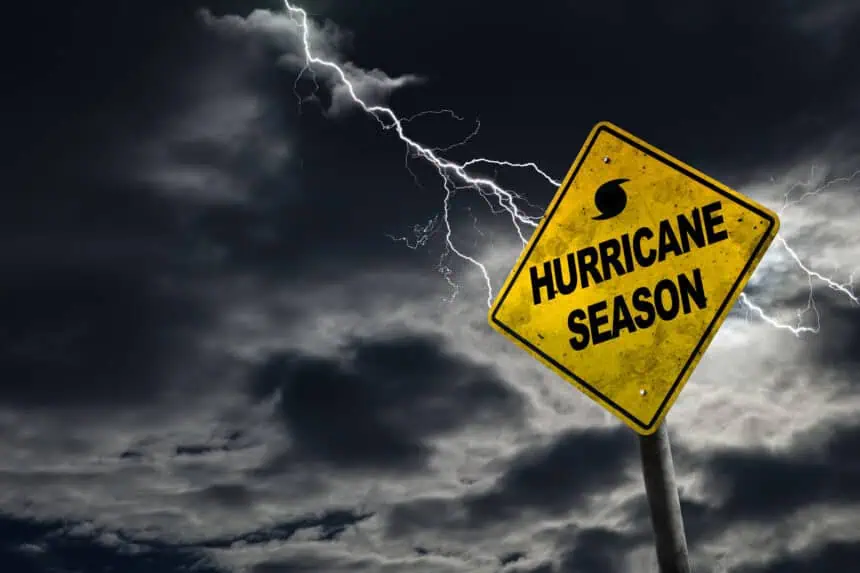
The tropical Atlantic is stirring sooner than expected, with the formation of the first tropical wave of the year — a development raising early questions about the upcoming 2025 hurricane season. Though the season doesn’t officially begin until June 1, this early activity signals a potentially active period ahead for the Atlantic basin.
On the afternoon of Sunday, May 18, the National Hurricane Center (NHC) confirmed that a tropical wave emerged from the west coast of Africa. These elongated, unstable air masses are often precursors to tropical cyclone formation and a hallmark of early Atlantic activity.
Wave tracks west, not expected to develop soon
Brooke Silverang, meteorologist with WPBF 25, explained that while the wave is currently moving westward away from Africa, no cyclonic development is expected in the short term. Still, this marks a notable early signal, drawing attention from forecasters across the Caribbean and southeastern United States.
Monitoring conditions across the eastern Caribbean
Danielle, a Jamaican tropical systems analyst known as Weather Gurl Dani’i on YouTube, provided an in-depth update, stating:
“The first tropical wave of the year is already on its way. While it’s not forecasted to become a storm, its path will be important to monitor for changing weather across the eastern Caribbean.”
Despite lacking organized convection — the rotating thunderstorms that define tropical storms — this system may still reach the eastern Caribbean within five to seven days. If it holds together, it could bring rainfall to parts of the Windward Islands, Leeward Islands, or Lesser Antilles by the end of May.
Guided westward by subtropical high pressure
The wave’s westward movement is being steered by the Bermuda-Azores High, a dominant subtropical high-pressure system that drives many such systems across the tropical Atlantic toward the Caribbean Sea. This steering pattern is a key feature of the June to November hurricane season, often guiding disturbances toward land.
Only a few waves become hurricanes, but monitoring remains essential
Historically, around 60 to 65 tropical waves form off Africa each year. Only a small fraction evolve into tropical storms or hurricanes, but each one contributes to the moisture and wind patterns in the region. As of now, Cuba, the Bahamas, and the Turks and Caicos Islands remain under drier conditions, with low chances of rain in the coming days, in contrast to the more humid eastern Caribbean.
This early system, while not dangerous, is a crucial marker for forecasters and a reminder that the 2025 hurricane season is just around the corner.