
 A plume of Saharan dust is heading for the Gulf Coast, and Alabama is expected to start feeling its effects this weekend, according to the National Weather Service (NWS). Traveling over 6,000 miles from northern Africa, this annual meteorological phenomenon is now nearing the southeastern United States.
What Saharan dust means for Alabama’s skies and air
Residents of Alabama, particularly in southern parts of the state, may notice hazy skies, a reddish tint at sunset, and drier air beginning Saturday into Sunday. The dust is carried by the Saharan Air Layer (SAL), a dry, warm mass of air that forms over the Sahara Desert and moves westward across the Atlantic.
But there’s more than just scenic sunsets. According to David Roth, a meteorologist at the NWS Weather Prediction Center, this dust can cause a drop in air quality, especially when temperatures exceed 80°F (27°C). The Centers for Disease Control and Prevention (CDC) warns that people with asthma, chronic respiratory issues, or severe allergies may experience irritation or difficulty breathing. These individuals are advised to stay indoors during the dust’s peak presence.
While the general population is unlikely to face significant health risks, sensitive groups should take precautions like using HEPA-filter air purifiers, keeping windows closed, and wearing masks if heading outdoors.
It may feel hotter and drier
Though the temperature might not rise dramatically, the presence of dust can intensify the sensation of heat, as it modifies the way sunlight interacts with the atmosphere. Combined with high humidity typical of late May in Alabama, this can lead to a particularly uncomfortable weekend in terms of air quality and overall comfort.
Dust could help calm the storm season
On the upside, the dry, stable air that carries Saharan dust often acts as a cap on atmospheric instability, which can reduce thunderstorm and hurricane formation. For south Alabama, which has experienced unusually wet weather recently, this could bring a temporary break from storm systems.
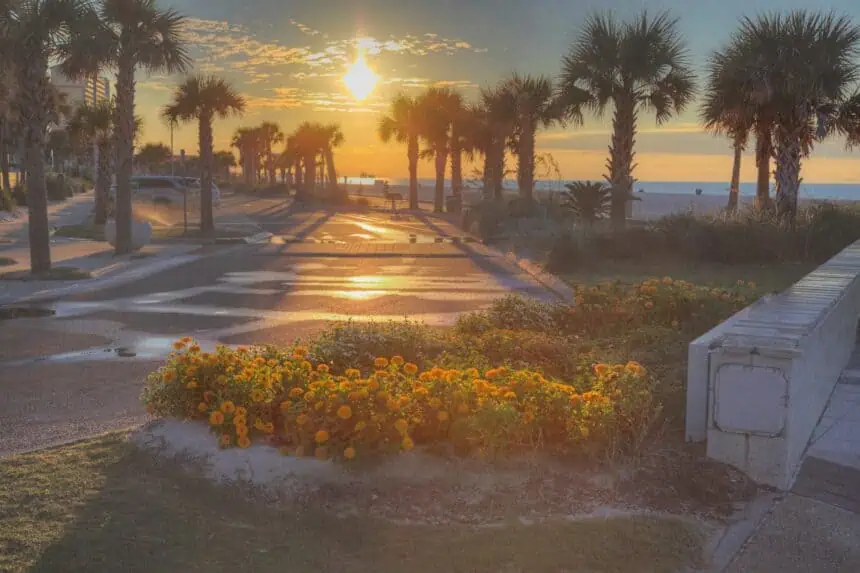
Look out for stunning sunsets
Another positive effect: vivid sunsets. As the fine particles scatter sunlight, expect deep reds, purples, and oranges lighting up the evening skies, especially along the coastal areas near Mobile and Baldwin counties.
This Saharan dust episode is part of an annual summer pattern, and while its arrival isn’t unusual, its intensity and impact can vary. Alabama is likely to see moderate effects, with heavier concentrations affecting the Caribbean and southern Florida.