

Unusually strong geomagnetic storm may light up Maryland skies
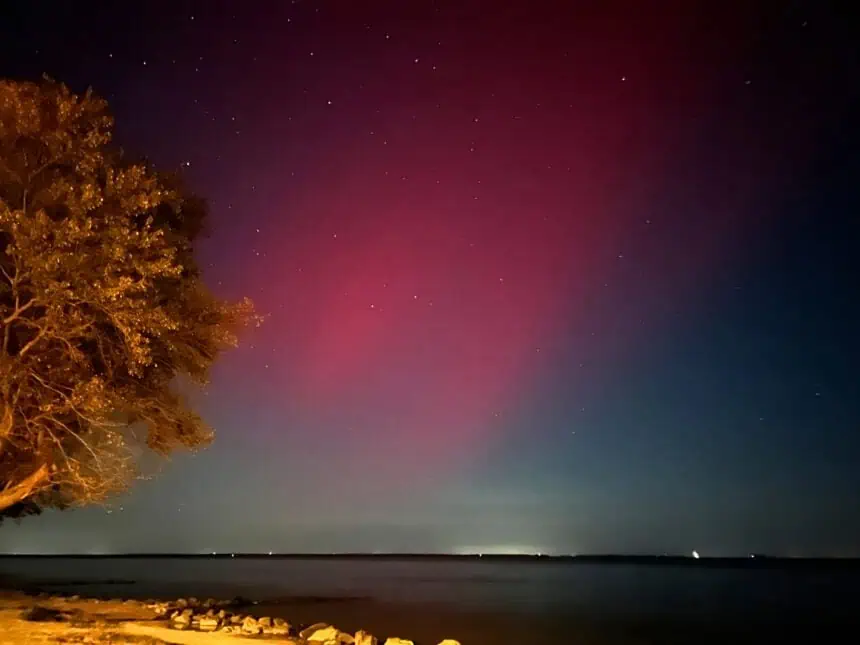
A rare and intense geomagnetic storm is forecast to sweep across North America, and residents of Maryland—especially those in rural areas—might be treated to a rare view of the northern lights from Sunday evening, June 1, through the early hours of Monday morning.
This space weather event brings with it the possibility of the Aurora Borealis appearing much farther south than usual, reaching states like Maryland under the right conditions. These predictions come in the wake of similar past events, such as the October 2024 aurora episode, which unfolded unpredictably, catching many by surprise across much of the continental United States.
Best chances to view in Maryland’s darker regions
The best visibility window is expected to open after sunset Sunday and extend through the pre-dawn hours of Monday, peaking before 4 a.m. However, urban light pollution, especially in areas like Baltimore City, Baltimore County, and the D.C. metro counties, may severely limit visibility.
To improve your odds of seeing the spectacle, head toward darker and more remote parts of Maryland. The mountains in far western Maryland and the less populated regions of the Eastern Shore offer more favorable viewing conditions thanks to reduced ambient lighting.
Uncertainty remains, but the odds are above average
Forecasting the precise reach and intensity of the Aurora Borealis is notoriously difficult. While current models suggest a strong geomagnetic disturbance, final visibility will depend on real-time solar activity and local weather clarity. Nevertheless, the probability of catching a glimpse of the phenomenon is higher than usual for Marylanders, particularly those living in northern and rural areas.
Cutter Martin, of CBS Baltimore’s WJZ First Alert Weather Team, emphasized that while uncertainty lingers, this storm presents one of the best opportunities in recent memory for Maryland to experience this natural light show.
Stay tuned to local forecasts and watch the northern horizon as skies grow dark Sunday night.