

A vast Saharan dust plume is crossing the Atlantic
A massive cloud of Saharan dust, comparable in size to the entire continental United States, is currently moving westward over the Atlantic Ocean. According to forecasts, this vast plume will begin affecting parts of the Gulf Coast, especially South Florida, by midweek.
After traveling more than 5,000 miles from North Africa, the dust has already reached the Caribbean over the past weekend. Though its density is expected to diminish by the time it reaches Florida, residents will likely notice visible effects in the sky.
Subtle but stunning changes to Florida’s skies
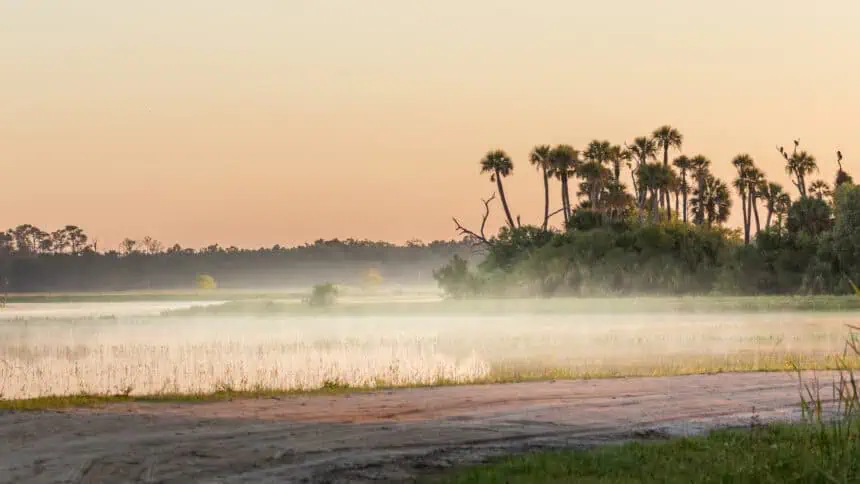
By the time this Saharan dust reaches South Florida, it will be suspended high in the atmosphere, scattering sunlight and creating warmer, hazier tones across the skyline. As explained by Joseph Prospero, professor emeritus at the University of Miami Center for Aerosol Science and Technology, this dust gives the sky a soft, muted appearance: “Typically we have nice blue skies, but with the dust, the whole sky looks soft and warm because the particles themselves are red.”
In short, skies that are normally bright and clear may appear dimmed and golden, with sunsets especially brilliant due to the dust-scattered light.
Air quality concerns for sensitive individuals
While the dust plume will have weakened after its long journey, the National Weather Service in Puerto Rico has warned about potential air quality issues, particularly for those with respiratory conditions like asthma. Face masks are recommended for those who are sensitive to fine particulates.
This plume marks the start of the transatlantic dust season, a period typically active during late spring through summer, when dry winds from North Africa lift and carry mineral-rich dust across oceans. These plumes play a complex role in climate and atmospheric processes, influencing everything from tropical cyclone formation to nutrient distribution across ecosystems.
Stay alert for changes in visibility, sunset coloration, and any advisories from the National Weather Service, especially if you’re in Florida, Texas, Louisiana, or other Gulf Coast states over the next few days.