

Geomagnetic storm tonight may bring aurora borealis to the U.S.
Friday, June 6, 2025 — New York — A fresh geomagnetic disturbance is forecast to intensify this evening, potentially triggering vivid auroral activity across parts of the northern United States, according to updated guidance from the National Oceanic and Atmospheric Administration (NOAA).
Kp index at 4: What this means for tonight
The Kp index, a global measure of geomagnetic storm intensity that ranges from 0 to 9, is expected to reach level 4 tonight. This suggests a moderate but visibly dynamic aurora may be possible, particularly for observers in more northern latitudes of the country.
According to NOAA’s Space Weather Prediction Center, recent solar activity—including a coronal mass ejection (CME) earlier this week—is currently disturbing Earth’s magnetic field, a key trigger for aurora borealis displays.
Where to watch the northern lights tonight
The best visibility will be in Canada and Alaska, but 10 U.S. states may also be able to catch a glimpse of the dancing lights if skies remain clear and light pollution is minimal. Those states include:
Northeastern Washington, northern Idaho, Montana, North Dakota, northern South Dakota, Minnesota, Upper Michigan, northern Wisconsin, and Maine.
Visibility is expected to peak between 10 p.m. and 2 a.m. local time, with optimal viewing from north-facing, elevated locations far from urban light sources.
Why Friday is quiet but Saturday may roar
Although Friday night may see a dip in auroral activity, Saturday is shaping up to be even more promising, as another coronal mass ejection from Wednesday approaches Earth. NOAA’s 3-day forecast suggests the Kp index could climb again toward five, increasing the southern reach of the auroral oval.
How to photograph the aurora borealis
According to NASA, a tripod, a wide-angle lens, and a low aperture (f/4 or lower) are crucial for capturing sharp aurora images using a standard camera. Smartphone users should enable night mode, disable the flash, and again, use a tripod to maintain a stable shot.
Why northern lights may become more common
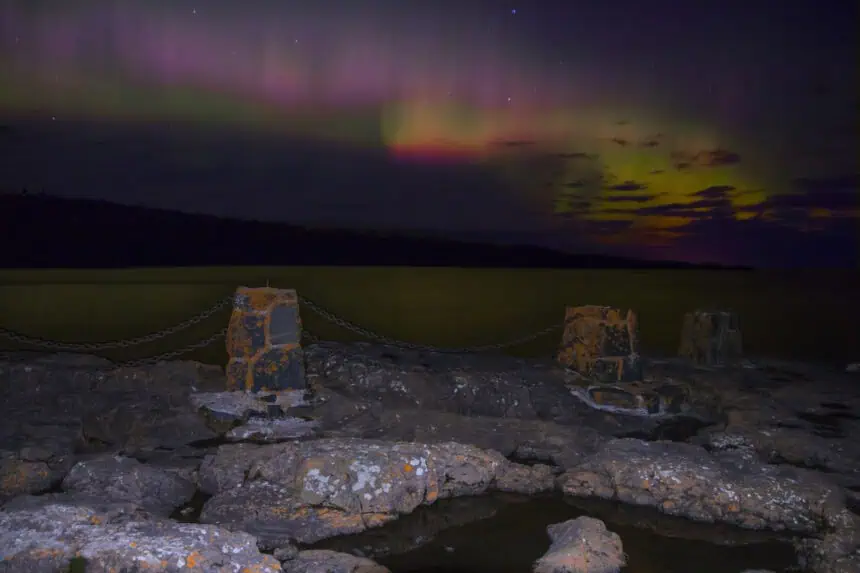
This year’s frequent sightings are tied to a peak in solar activity, known as the solar maximum, part of the sun’s regular 11-year cycle. The increased rate of solar flares and CMEs is expected to persist into early 2026, offering more chances for residents of the continental U.S. to see these swirling ribbons of green, pink, and purple.
These colorful displays are caused by electrons from solar storms colliding with oxygen and nitrogen molecules in Earth’s upper atmosphere, producing visible light as they release energy.
Keep your eyes to the north tonight, especially if you’re in the Great Lakes or Northern Plains.