

Millions at risk across Texas and Louisiana
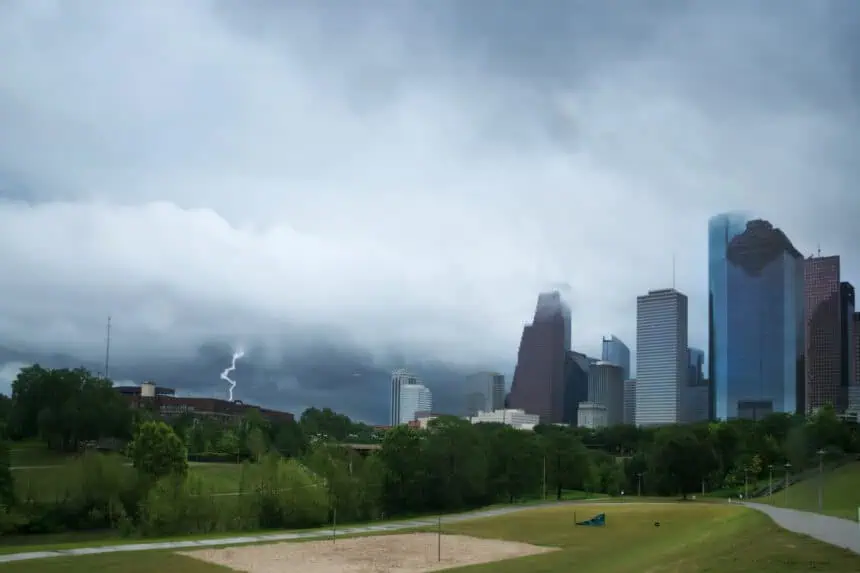
Tuesday, June 11, has brought severe weather alerts to millions of residents across Texas and Louisiana, as strong thunderstorms, gusty winds and hail sweep through the region. The National Weather Service (NWS) has issued a series of special weather statements, urging people to stay indoors or seek immediate shelter.
Hazards include hail, strong winds, lightning and flooding
According to multiple NWS advisories, storms are producing wind gusts up to 40 mph, half-inch hail, and frequent lightning strikes. Communities in eastern Texas and central Louisiana face the risk of localized flooding, debris-laden winds, and minor agricultural damage.
Emergency officials stress that cloud-to-ground lightning is particularly dangerous, as strikes can occur 10 miles away from the storm center. In many areas, residents are being advised to avoid flooded roadways and remain inside solid buildings or vehicles.
Active storm cells tracked across East Texas
As of 11 a.m. CDT, the NWS Houston/Galveston office reported storm activity near Kennard, Texas, moving eastward at 25 mph. Areas including Weches and nearby towns were directly impacted.
Earlier in the day, the NWS Shreveport office tracked storms from east of Elkhart to near Hudson, impacting Lufkin, Nacogdoches, Diboll, and Rusk. These storms carried lightning, hail, and strong wind bursts, prompting alerts and advisories.
A second wave of warnings followed, focused on regions north of Rockland, advancing toward western Louisiana. Areas under threat include Huntington, Pineland, Hemphill, and Etoile.
Why these storms matter now
The storms come as summer approaches, a period known for increased atmospheric instability in the Southern United States. Weather experts have noted a rise in extreme weather events in recent years due to changing climate patterns, intensifying the urgency around storm preparedness.
Tuesday’s events underscore the importance of real-time weather monitoring, especially for those in storm-prone rural areas and urban centers susceptible to infrastructure strain during flash flooding.
Residents urged to monitor weather and seek shelter
The National Weather Service continues to emphasize that these storms may strengthen rapidly. Residents are strongly encouraged to monitor television and radio broadcasts, and activate wireless emergency alerts.
In its advisory, the NWS stated:
“Frequent cloud to ground lightning is occurring. Lightning can strike 10 miles from a thunderstorm. Seek a safe shelter inside a building or vehicle.”
With conditions still evolving, emergency management officials remain on high alert, ready to issue additional advisories or warnings as the system progresses.