
Why Alaska is now under a heat warning for the first time
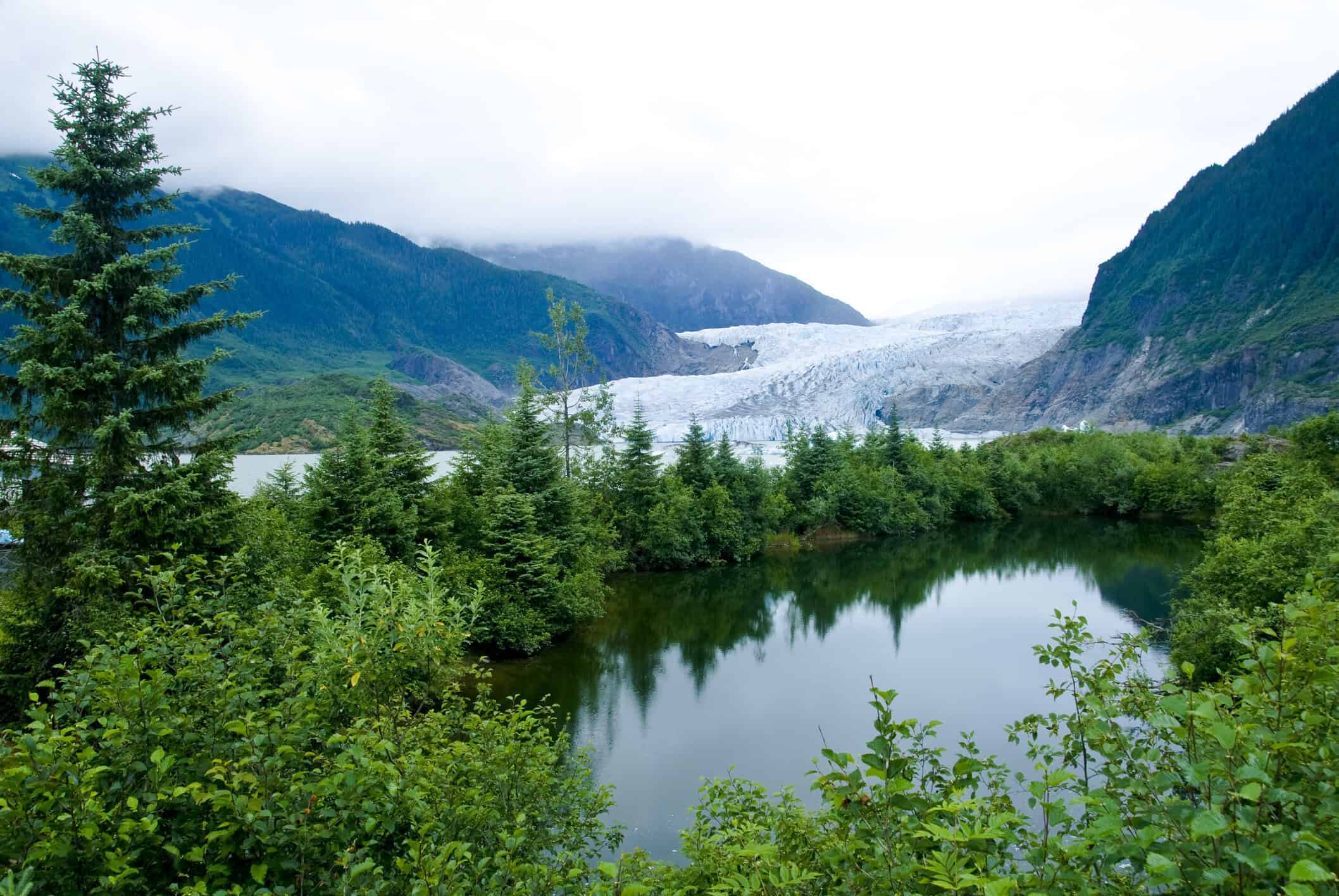
Alaska has issued its first heat advisory in recorded history, effective from Sunday, June 15 at 1 p.m. through Tuesday, June 17 at 7 p.m. local time. This marks a significant shift in how extreme heat risks are communicated by the National Weather Service, which previously relied on special weather statements to address warm temperatures.
According to Adam Douty, a senior meteorologist with AccuWeather, the change took effect on June 1, making Alaska the final U.S. state to adopt official heat advisories, already in use across the contiguous 48 states and Hawaii.
Affected areas and expected temperatures
The Central and Eastern Interior regions of Alaska, including Tanana, Fairbanks, Fort Yukon, and Eagle, are expected to experience the brunt of the heat. Temperatures are forecast to range between 85 and 89 degrees Fahrenheit (29–32 °C), which is significantly warm by Alaskan standards.
Further north, conditions remain milder, with temperatures dipping into the 60s Fahrenheit (15–17 °C).
“It’ll definitely be warm, especially for Alaska’s standards,” said Douty, noting how unusual this level of heat is for such high latitudes.
Flood risk due to rapid ice melt
The intense heat wave is also prompting flood advisories in northern parts of the state, where melting ice and snow could lead to rapid runoff and localized flooding.
According to Douty, snowpack and river ice in these areas could thaw at an accelerated pace, heightening the risk of water-related hazards in regions unaccustomed to managing sudden warmth.
Fire danger: red flag warnings in effect
Some areas of Alaska are also under a red flag warning until 11 p.m. on Monday, June 16. These alerts are issued when weather conditions become conducive to large and dangerous wildfires.
The National Weather Service warns that a combination of warm temperatures, low humidity, and gusty winds can result in a volatile fire environment, particularly in forested or dry vegetative areas. Though rare for Alaska, such conditions are becoming increasingly common amid a changing climate.