

Northern lights expected across parts of the United States on Tuesday and Wednesday
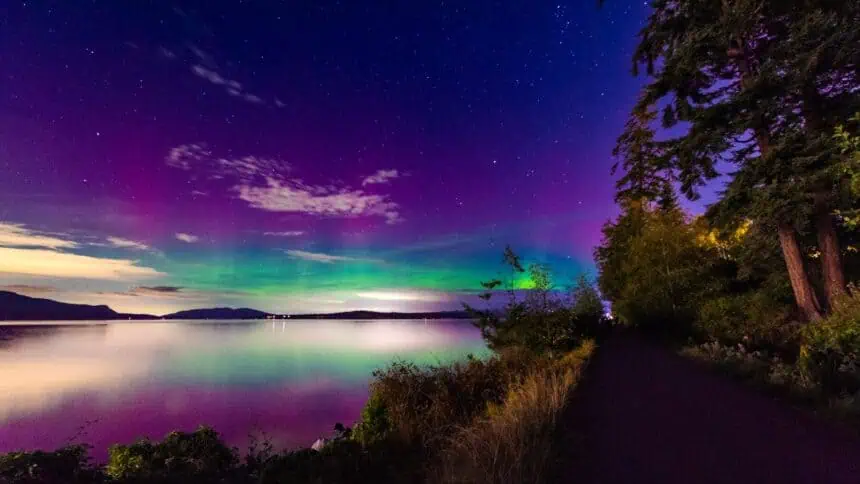
The northern lights, or aurora borealis, are forecast to make a stunning return across several northern U.S. states tonight, Tuesday, June 17, continuing into the early hours of Wednesday, June 18. According to the National Oceanic and Atmospheric Administration (NOAA) and its Space Weather Prediction Center, this natural light display is set to reach a Kp index of 3 — a moderate level on the 0-to-9 scale, indicating that the auroras will be visible and vibrant, particularly in dark-sky locations.
Where to see the northern lights tonight
The NOAA aurora forecast map outlines an area of possible visibility stretching across eight U.S. states. If you’re located in one of these regions and skies are clear, you may be in for an unforgettable show:
Alaska, Washington, northern Idaho, Montana, North Dakota, Minnesota, northern Wisconsin, and Upper Michigan are all in the optimal viewing path.
Skies in southern Canada — especially in provinces like Manitoba, Saskatchewan, and parts of Ontario — also stand a strong chance of showcasing the phenomenon.
This week’s auroras follow another round of sightings from Saturday, June 14, when a stronger Kp 5 storm created dazzling scenes across much of the northern U.S.
Best times to view the aurora borealis
The northern lights will not be visible during daylight. The ideal window for viewing is after sunset and before sunrise, with peak visibility likely around midnight to 3 a.m. local time.
Clouds, fog, and city lights can all obstruct the view, so heading to rural areas or elevated terrain away from artificial illumination will maximize your chances.
Tips for watching and capturing the lights
To witness the full beauty of this celestial event, position yourself in a dark, open area with a clear view of the northern horizon. Weather permitting, even a Kp index of 3 can reveal soft green or red waves shimmering across the night sky.
If you’re looking to photograph the auroras, enable “Night Mode” on your smartphone or camera. Modern devices like the iPhone 13 Pro or Samsung Galaxy S23 Ultra are well-equipped to capture these low-light spectacles with clarity. For best results, stabilize your device using a tripod or any flat surface and allow for a long exposure setting.
Weather permitting, the next two nights offer a rare chance for many across the northern United States to glimpse this mesmerizing phenomenon. Stay warm, stay safe — and look up.