
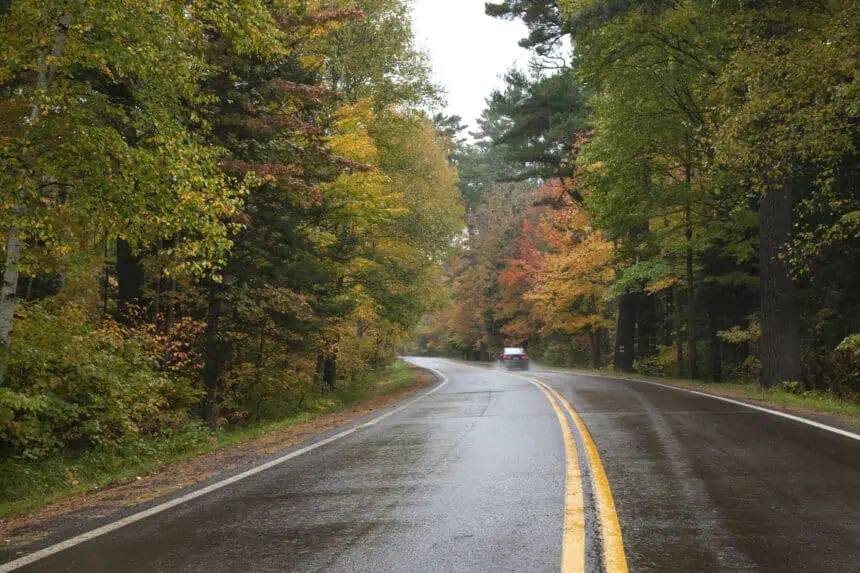

Weather in June across Minnesota may have felt cloudy, cool, and damp, but data tells a more complex story—especially when you consider how our understanding of what’s “normal” is rapidly evolving.
June ended wetter than average—but only at the last minute
While many in Minnesota, including myself, had the impression of a chilly and rainy month, that perception wasn’t entirely accurate. Rainfall totals were below average through much of June, and it wasn’t until the final week that precipitation numbers surged, particularly across central and southern Minnesota.
In fact, as of June 24, climate reporting stations like Rochester, Duluth, St. Cloud, and the Twin Cities were all tracking below-average rainfall. Then came a multi-day soaking that reversed the monthly trend. West-central Minnesota, especially Kandiyohi County, saw dramatic gains. In some areas, rainfall for the month topped 12 inches, nearly 8 inches above normal. Many locations finished the month with 150% to more than 200% of typical June rainfall, which usually averages around 4 to 5 inches.
Southern heat, northern chill—but all warmer than the past
When it comes to temperatures, June 2025 delivered an interesting split. Northern Minnesota remained slightly cooler than normal, but much of central and southern Minnesota ended the month with above-average temps.
But here’s the key: the “normal” baseline used by meteorologists is based on the 1991–2020 average, which is already 2 to 3 degrees Fahrenheit (1.1 to 1.7 °C) warmer than past decades. So even a 0.5 to 2 degree Fahrenheit (0.3 to 1.1 °C) anomaly compared to recent averages means we’re looking at 2.5 to 5 degrees Fahrenheit (1.4 to 2.8 °C) warmer than the Junes of the 1980s and 1990s.
Interestingly, this June echoed what I remember from growing up in the ’80s and ’90s—those early summer weeks after school let out rarely offered perfect swimming weather. Cloudy skies, cool mornings, and the occasional hot spike defined the month. This year was similar in feel, but again—still warmer than it used to be.
Severe weather surges with most active June in 3 years
This June also brought the most active start to severe weather season that Minnesota has seen in the last three years. The final weekend of the month added eight more tornadoes, bringing June’s total to 39—well above the average of 22. Year-to-date, Minnesota has already reported 48 tornadoes, surpassing the annual norm of 43.
Looking ahead: hot, possibly drier July on the horizon
The model consensus heading into July points toward above-normal temperatures for most of Minnesota, with a drier trend especially likely in western parts of the state. That would mark a noticeable shift after the wet end to June.
According to the Climate Prediction Center, the July forecast leans toward warmer-than-average conditions, and at least for now, there’s no significant drought risk expected across Minnesota.