
 Tropical Storm Chantal has formed off the southeastern U.S. coast and is moving toward the Carolinas, where it is expected to bring heavy rainfall and potentially strengthen further before making landfall late Saturday or early Sunday.
As of 5:00 p.m. EDT on Saturday, July 5, the storm’s center was located about 95 miles (150 kilometers) southeast of Charleston, South Carolina, and 165 miles (270 kilometers) south-southwest of Wilmington, North Carolina, with maximum sustained winds of 45 mph (75 km/h). The system was moving north at 7 mph (11 km/h).
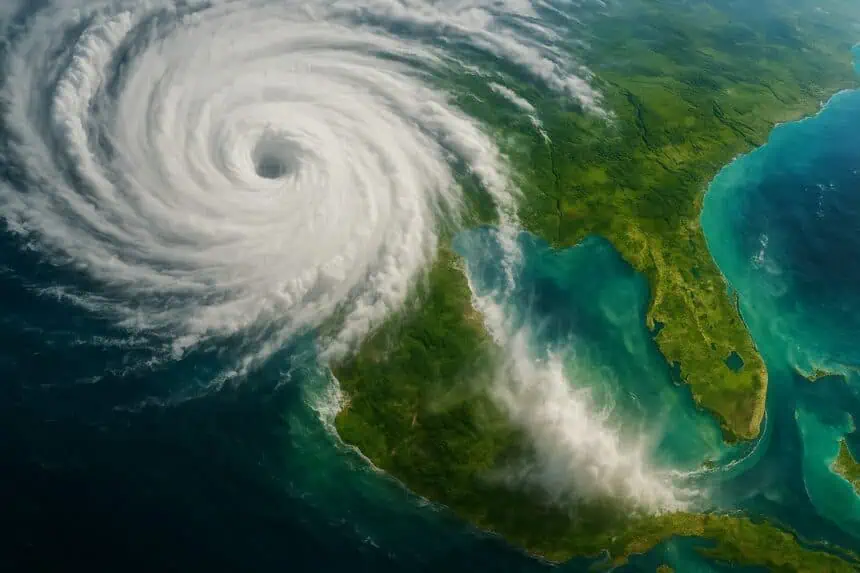
Tropical storm warnings are in effect for portions of both South Carolina and North Carolina, according to the National Hurricane Center in Miami. Satellite imagery shows a well-organized system continuing to gather moisture and strengthen gradually over warm Atlantic waters.
Forecast models indicate that Chantal could intensify slightly before reaching land, with a likely impact zone between Charleston and Myrtle Beach. The storm is expected to bring significant rainfall across the coastal plains of the Carolinas through Monday.
Rainfall totals of 2 to 4 inches (5–10 centimeters) are expected across much of the region, with isolated areas seeing up to 6 inches (15 centimeters), particularly in low-lying coastal zones, raising the risk of flash flooding.
While still considered a moderate tropical system, Chantal poses a serious threat to coastal communities as the western Atlantic enters the peak of hurricane season.