

Old Farmer’s Almanac predicts a warmer, drier autumn for Montana
As we move through the peak of summer, the so-called Dog Days are making their presence felt across Montana. Temperatures are running high, river levels are dropping, and wildfire danger is on the rise — all typical for this time of year. But looking ahead, fall 2025 might not bring the cooldown many are waiting for.
According to the Old Farmer’s Almanac, this year’s autumn season is expected to be warmer than usual across most of the state, and in some areas, even drier than normal. That’s especially true for western Montana, where above-average temperatures and below-average rainfall could extend fire season well into the fall — a growing concern for residents and land managers alike.
Further east, it’s a different story. While eastern Montana is also expected to see warmer temperatures, it could also receive more rain than normal during the fall months. That moisture could be a welcome development for parts of the state that have been dealing with ongoing drought conditions, especially in the agricultural regions along the Hi-Line and into southeastern Montana.
The trend isn’t limited to Montana. Much of the western U.S. is forecast to experience a warmer-than-average fall, keeping summer-like conditions in place longer than usual. For gardeners and farmers, that means more uncertainty — and for anyone tracking the start of football season, it might mean not having to reach for the heavier layers just yet.
Some may see a silver lining: flowers and pumpkins may not need to be covered for frost protection until later in the season, and those first chilly mornings might arrive a few weeks behind schedule. But in a state known for its fast-changing weather, it’s always smart to stay alert.
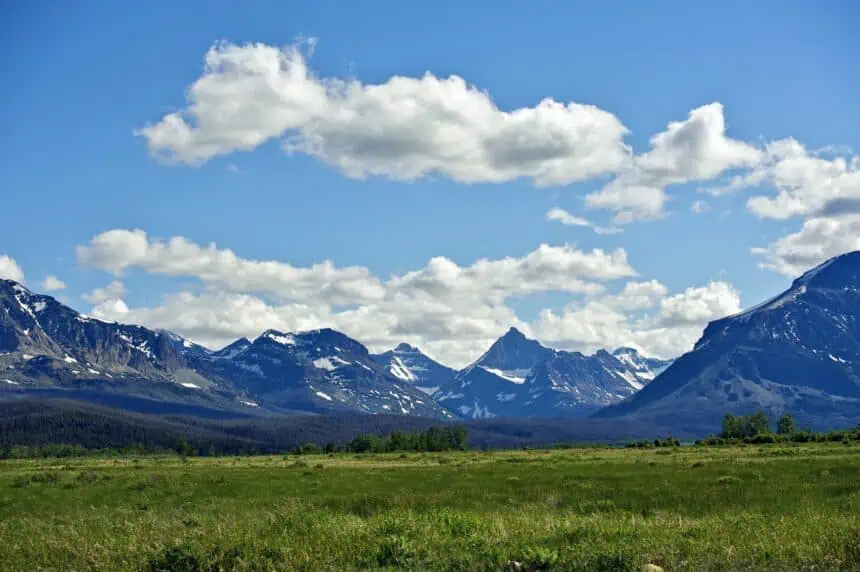
Montana, often called Big Sky Country, has seen its share of record-setting weather events. From freak snowstorms to flash floods, locals know that conditions can turn on a dime — even in a year when the forecast says summer might be sticking around a little longer.