

Historic rainfall disrupts May norms in Las Vegas
Las Vegas, typically known for its dry desert climate, just experienced an extraordinary meteorological event. A powerful low-pressure system swept through Southern Nevada, bringing 1.44 inches (36.6 mm) of rain in just a few days. This marks the highest May rainfall in nearly 60 years, far surpassing the usual 0.07 inches (1.8 mm) average for the month. To put this in perspective, May 2024 saw no measurable rain at all.
Las Vegas Wash swells overnight, sends water into Lake Mead
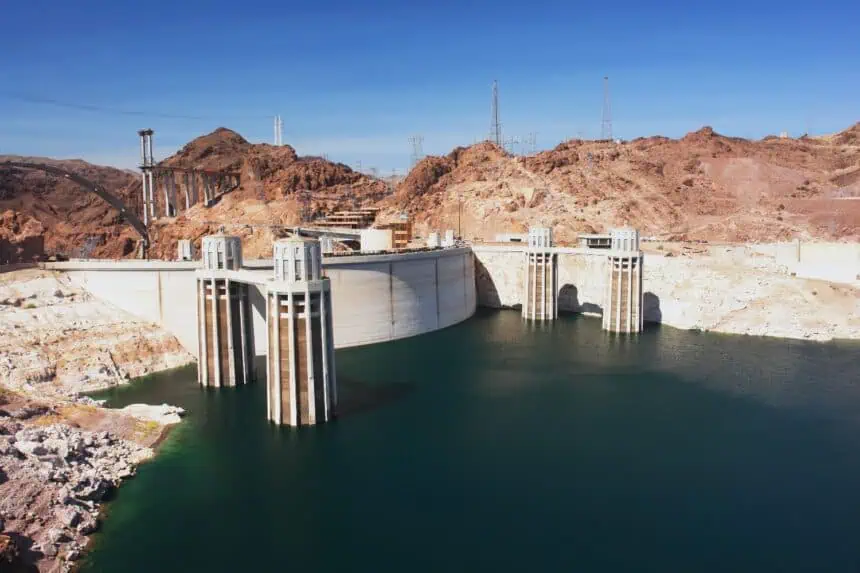
This sudden surge of precipitation overwhelmed the Las Vegas Wash, a key stormwater channel designed to redirect runoff. Water levels surged over seven feet overnight, flushing a significant volume directly into Lake Mead, one of the primary water reservoirs for the Western United States. While the inflow represents only a temporary boost, it’s a vital moment of replenishment amid ongoing “severe to exceptional” drought conditions across the region.
Smart infrastructure prevents waste and boosts recapture
Southern Nevada’s flood infrastructure, lauded for its proactive design, played a crucial role in optimizing this rare event. Over 100 stormwater detention basins, strategically positioned around the Las Vegas Valley, worked to collect and store the rainfall. In just 72 hours, the Anthem basin alone recorded 1.3 inches (33 mm). These systems are part of an evolving network aimed at maximizing rainwater capture instead of allowing it to evaporate or flood urban areas.
Looking ahead: More projects, more resilience
Authorities have announced expansion plans: 40 new detention basins and 200 more miles of drainage channels are under development. With the Las Vegas Wash already delivering around 200 million gallons daily to Lake Mead—about 2% of the lake’s annual volume—these new projects aim to push the region’s water resilience even further.
Environmental benefits beyond water storage
This uncommon influx also brings a positive ripple effect for local ecosystems. As hydrated sediment flows through the Wash, it revitalizes desert habitats, boosts native vegetation, and supports wildlife species that rely on moisture to survive. Additionally, the more consistent water flow reduces airborne dust, contributing to improved air quality and ecosystem balance in the Las Vegas area.
This rare May rainstorm proves that, in the face of drought, every drop of rain matters—and when backed by robust infrastructure, it can reshape both the landscape and the future of water security in the American Southwest.