

Early June warmth remains steady for now
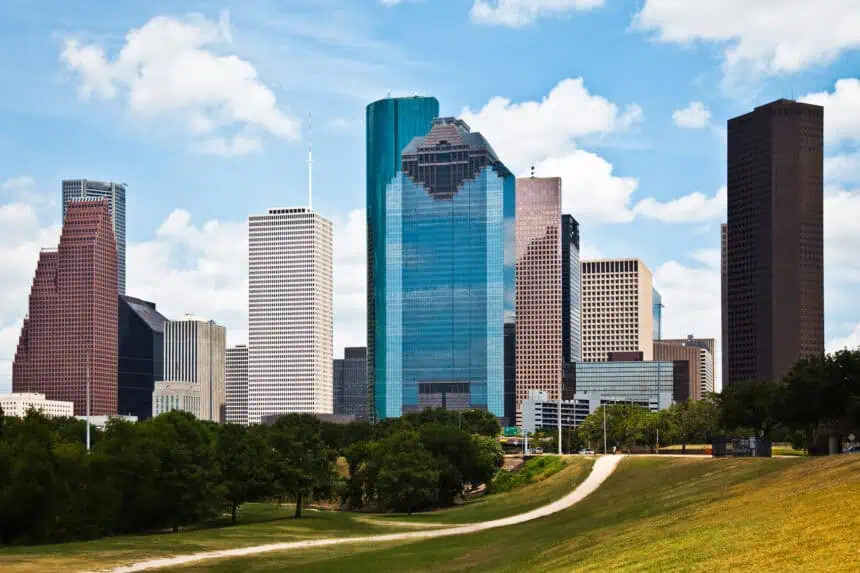
Over the next 24 to 48 hours, Houston will experience seasonal early-June warmth, with predawn temperatures in the upper 70s°F (around 25°C) and afternoon highs reaching the low to mid 90s°F (34–35°C). While humidity will push heat index values close to 100°F (38°C), they’ll likely remain below the 105°F (40.5°C) threshold required for official heat alerts.
Skies will begin to look slightly hazy starting Thursday, as a weak plume of Saharan dust brushes through. Despite the haze, air quality is expected to remain acceptable, according to forecasts by the Texas Commission on Environmental Quality. Only minor visibility issues are possible, especially during sunrise and sunset.
A more significant Saharan dust plume arrives Friday
Friday and Saturday will bring a more concentrated burst of Saharan dust into Southeast Texas, including Houston. While this plume is denser, it’s not expected to deteriorate air quality significantly, especially for most healthy individuals. Sensitive groups may notice slight respiratory discomfort or increased allergy symptoms, particularly during outdoor activities.
Expect skies to appear milky or dull, especially on Saturday, due to this dust layer suspended high in the atmosphere. Visibility may decrease slightly during the morning and late evening hours, and sunsets could turn deep orange to red, a classic Saharan dust signature.
Intensifying heat this weekend
With clearer skies and drier upper air from the dust, temperatures will soar. Forecasts show Saturday and Sunday highs pushing into the upper 90s°F (36–37°C), with Sunday potentially tying or breaking the record of 99°F (37.2°C) set in 1980. Heat index values could easily exceed 105°F (40.5°C), making heat alerts likely for the first time this season.
The hottest conditions will be found west of Houston, especially along the Interstate 35 corridor, where 100°F (37.8°C) readings are increasingly probable.
Dust impact eases next week, but rain returns
By early next week, high pressure aloft, also called a heat dome, will begin to weaken. This will allow for more cloud cover and rain chances to increase, helping to ease the heat. Daytime highs could fall back into the upper 80s°F (31–32°C) by midweek, with widespread rain showers delivering half an inch to an inch or more in some parts of Southeast Texas.
As the Saharan dust thins out, air quality will improve. However, the added moisture and cloud cover may make the atmosphere feel stickier, even as temperatures drop slightly.