
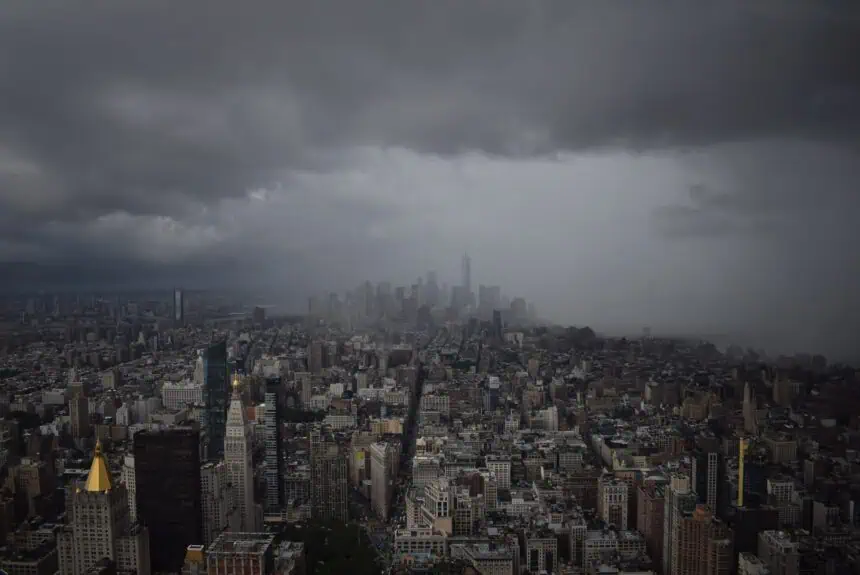

Strong thunderstorms hit parts of New York early Friday
A severe weather alert was issued by the National Weather Service at 12:14 a.m. Friday, warning of intense thunderstorms with wind gusts reaching 40 mph and nickel-sized hail (0.88 inches / 2.2 cm) across Greene, Columbia, Ulster, and Dutchess counties in eastern New York.
Doppler radar detected a strong thunderstorm over Rhinebeck, tracking eastward at 15 mph. The system poses a risk of damaging wind, with the potential to break tree limbs and scatter unsecured outdoor items. Minor damage to crops and gardens is also possible due to the hail impact.
Impacted areas and major roads
The alert includes several locations across the Hudson Valley, such as Pachin Mills, Ancramdale, Katsbaan, Saugerties, Churchtown, Linden Acres, and Pulvers Corners. Notably, this also affects Interstate 87 near exit 20, raising concerns for overnight drivers.
The storm’s intensity is accompanied by torrential downpours, increasing the risk of localized flooding. Officials advise the public: “Do not drive through flooded roadways.”
How to stay safe during lightning storms
Each year, lightning strikes the United States approximately 25 million times, with most of these strikes occurring during the summer months. Tragically, around 20 people die annually due to lightning-related incidents.
The danger peaks when a storm is directly overhead, and only gradually fades after it passes.
Key lightning precautions outdoors
If you’re outside, you should immediately look for signs of approaching storms, such as darkening skies or the sound of thunder. Hearing thunder means lightning is close enough to strike. Seek indoor shelter immediately.
Indoors doesn’t mean risk-free
Even once inside, stay away from corded phones, electronics, plumbing fixtures, and windows or doors. Lightning can travel through electrical wiring and pipes, making these objects hazardous during a strike.
After a storm, wait at least 30 minutes after the final thunderclap before going back outside, as lightning can still strike after the main storm has passed.
What to do if you’re stuck outdoors
If indoor shelter is unavailable, avoid open fields, hilltops, or isolated trees. Stay low, ideally in a valley or ravine, and never seek cover under a tall, singular object. If camping, avoid metal poles and do not treat your tent as a safe zone—it offers zero lightning protection.
Keep away from lakes, rivers, or metal fences—not because they attract lightning, but because they conduct electricity dangerously well.
Driving during heavy rain: Stay alert on slippery roads
As torrential rain swept through parts of New York, driving conditions became hazardous. The National Weather Service emphasized the importance of caution during such downpours.
Road safety tips in downpours
Avoid parking or walking near drainage ditches or culverts, where water can rise rapidly and become life-threatening.
While driving, increase your following distance by at least four seconds, and slow down. Lift your foot off the gas gently, and avoid slamming the brakes to prevent hydroplaning.
Better lane choice and visibility
On multi-lane highways, the center lanes are typically safer, as outer lanes collect more water. Turn on your headlights, even during daylight, to improve your visibility and help others see you.
The first 30 minutes of rainfall are the most dangerous, as a slick mix of oil and grime rises to the surface, creating extremely slippery conditions.
Keep distance from large vehicles
Stay well behind buses and trucks. Their tires throw up heavy spray, blinding your vision. If overtaking is necessary, do it quickly and cautiously.
If visibility drops too low
Should the rain overwhelm your windshield wipers, pull over to the shoulder, preferably beyond the end of any guard rails. Keep your hazard lights and headlights on until the storm subsides.
The Advance Local Weather Alerts system, powered by United Robots, uses machine learning to deliver real-time warnings based on data from the National Weather Service. Be alert as June thunderstorms continue to stir across eastern New York into the weekend.