

Why June 11 remains rainless in Phoenix history
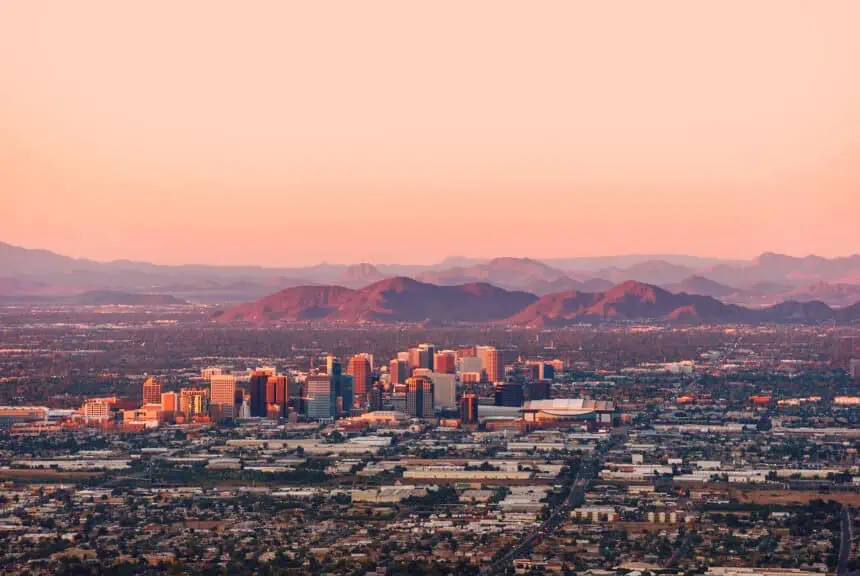
Phoenix, located in the heart of the Sonoran Desert, holds an impressive meteorological record: it has never recorded measurable rainfall on June 11 in nearly 130 years of continuous weather tracking. The only exception? A trace event in 1991, so light it didn’t even qualify as measurable.
This unusual dry streak is deeply tied to June’s climatological behavior in the Valley of the Sun. With an average monthly rainfall of just 0.02 inches, June is officially the driest month in Phoenix. Even years like 2023 and 2019 saw zero precipitation throughout the month.
What about monsoon season? Isn’t that in June?
Yes, monsoon season technically begins on June 15, but that doesn’t immediately translate into rain—especially not in central and southern Arizona. According to meteorologist Mark O’Malley, early monsoon patterns don’t usually carry enough moisture to spark thunderstorms in the Phoenix metro area until early July.
The start of monsoon tends to affect northern Arizona first, as was the case earlier this June, when over 1 inch of rainfall was observed in the northern outskirts of the Phoenix metropolitan area. That moisture, however, has not extended into the central Valley, keeping the historic June 11 record intact—for now.
This week’s forecast: intense heat, no storms in sight
According to the latest National Weather Service report from Phoenix Sky Harbor International Airport, the city continues to bake under clear skies and scorching temperatures:
Wednesday, June 11 will be sunny, with highs near 107°F (42°C). Southwest winds will shift westward in the afternoon, reaching 5 to 10 mph. The night will remain clear, with lows around 81°F (27°C).
The rest of the week sees a steady increase in heat, climbing toward a blistering 111°F (44°C) by Saturday, June 15, when monsoon officially begins. Yet no precipitation is expected before then. Winds will remain light and variable, adding little relief.
Still no measurable rain on June 11—and none on the horizon.