

Unprecedented heat grips Central Alaska
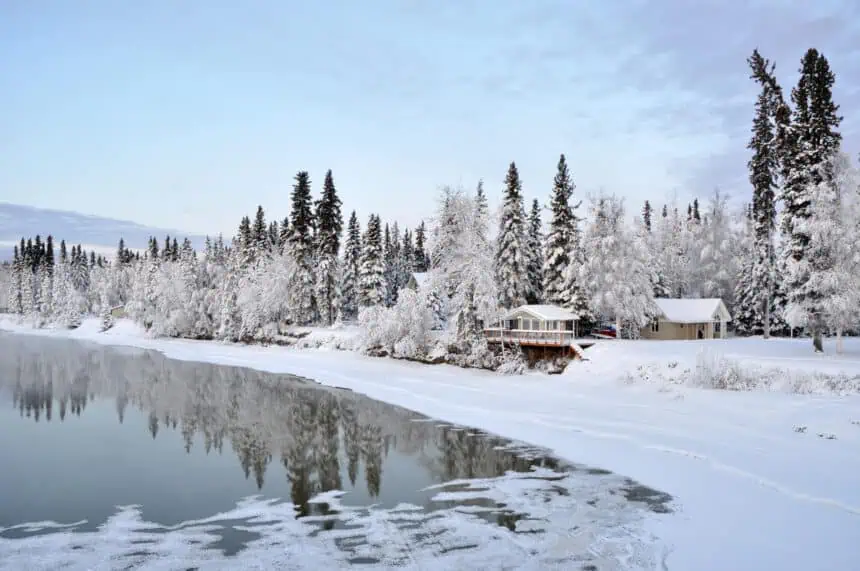
Alaska has entered uncharted territory. For the first time ever, the National Weather Service has issued a heat advisory for Sunday, June 15, with temperatures expected to reach 86°F (30°C) across central Alaska, especially around Fairbanks. This sharp rise—about 15°F above the seasonal average—is raising concern in a state where only 2% of homes have air conditioning.
Fairbanks, known for its short, intense summers and long, freezing winters, now faces a weather anomaly that meteorologists are calling unseasonable and dangerous.
Why this heat advisory is historic
This isn’t the first time Alaska has experienced high summer temperatures, but it is the first time such heat has triggered an official advisory. Until June 2, offices in Fairbanks and Juneau didn’t have the tools to issue heat advisories—only special weather statements were used. With this system update, the NWS can now communicate heat risks more effectively, although Anchorage has opted not to implement the advisory system for now.
The advisory threshold in Fairbanks is 85°F (29.4°C)—a number chosen after reviewing decades of climate data to ensure the criteria aren’t met more than three times a year. The forecast exceeding that limit is what triggered the alert.
The risks of heat in Alaska’s infrastructure
Unlike other parts of the United States, homes in Alaska are built to retain warmth, with thick walls and large windows that collect sunlight during long winters. This becomes a liability during summer: sunlight lasts up to 21 hours a day, and buildings trap heat, making indoor environments dangerously warm.
Without air conditioning, this rise in heat becomes a serious public health issue, especially for vulnerable populations such as the elderly or those with medical conditions.
Flood watch adds to the concern
In addition to the heat, a flood watch was issued on June 12 due to rapid snowmelt, highlighting another danger: climate extremes. These shifts—quick melts, rising rivers, and sudden heat—place intense pressure on local infrastructure and emergency services.
A pattern of extremes and rapid changes
Alaska’s weather swings are dramatic. In spring, three feet of snow can melt in just 4 to 6 weeks, and vegetation can turn green in just 48 to 72 hours. But our bodies struggle to acclimate so quickly.
As Jason Laney, a meteorologist with the National Weather Service in Fairbanks, put it: “Most people who spend a winter in Alaska aren’t used to the heat just yet.”
Alaska’s climate is warming at double the global rate
Alaska is warming two to three times faster than the global average. The average air temperature has risen by 3°F (1.7°C) over the last 60 years, with winter temperatures up 6°F (3.3°C).
This warming accelerates:
- Permafrost thawing, jeopardizing buildings, roads, and pipelines
- Glacier retreat, altering freshwater sources
- Ecosystem disruption, changing wildlife behavior and migration patterns
- Increased precipitation by 15% to 30% annually if emissions continue at current rates
Heat lingers, but records remain
Even though this event is historical for its advisory, it’s not the highest temperature ever recorded. That title still belongs to June 1969, when Fairbanks reached 96°F (35.6°C).
However, if current forecasts hold, this could become one of the longest consecutive hot streaks. The record is 14 days, set in 1991.
Heat risk without AC: A growing public health challenge
The health advisory emphasizes that “individuals and pets not accustomed to these unusually hot temperatures may experience heat-related concerns.”
The threat is real—not just outside but inside homes. With sun streaming in for most of the day and heat-retaining construction, indoor temperatures could soar.
Even small changes, like drawing curtains, wearing loose clothing, or checking on elderly neighbors, are being emphasized to help mitigate risk.
As Alaska warms and weather patterns evolve, moments like these signal a changing climate landscape—one that even the Last Frontier can’t ignore anymore.