

Heavy rain overwhelms Minneapolis and St. Paul on Monday
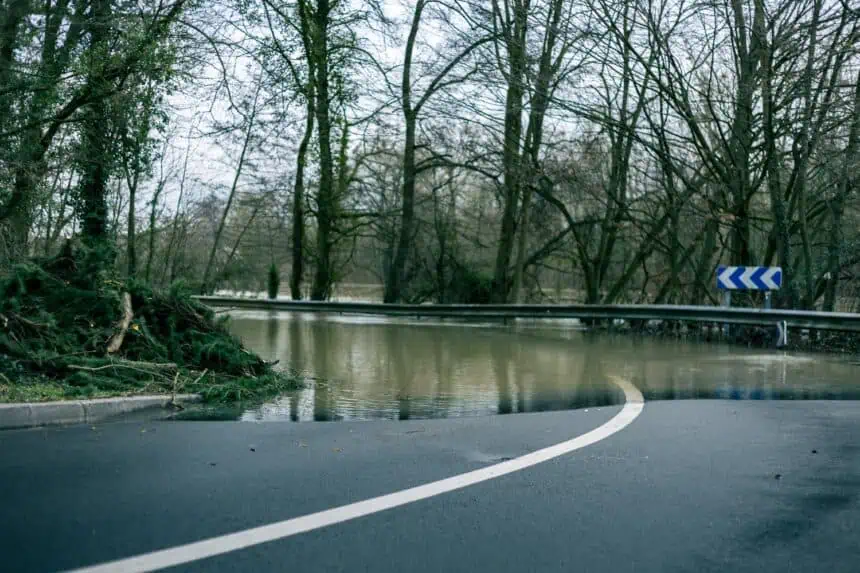
A short but intense storm system moved across Minneapolis and St. Paul on Monday afternoon, unleashing an extraordinary downpour that lasted approximately 20 minutes. Despite its brief duration, the rain was so intense that it overwhelmed the storm drainage systems, leading to widespread flooding on both streets and sidewalks across the Twin Cities.
Residents were caught off guard as pavement and roadways quickly filled with water, creating hazardous driving conditions. Numerous vehicles were seen navigating through the rising water with hazard lights flashing, and some commuters struggled with poor visibility along major thoroughfares.
Isolated system triggers National Weather Service alert
This flooding resulted from an isolated storm cell that broke out over the metropolitan area. The National Weather Service responded by issuing a special weather statement, which is one tier below a severe thunderstorm warning. While this alert may not have signaled imminent danger, it served as a clear sign of unstable atmospheric conditions brewing over eastern Minnesota.
The timing of the storm, combined with the urban infrastructure’s limited drainage capacity, intensified the impact in areas of downtown Minneapolis and central St. Paul.
Tornado watch follows as storms continue across Minnesota
Later on Monday evening, the NWS expanded its concern by issuing a tornado watch that includes the Twin Cities metro and a broad swath of Minnesota. This escalation suggests the possibility of further convective activity, possibly bringing hail, gusty winds, or even tornadic development in the hours to follow.
Forecasters are keeping a close eye on atmospheric instability over southern and central Minnesota, where humidity, heat, and lift could combine to create more dangerous storms throughout the evening.
Urban flooding a growing concern for Twin Cities infrastructure
This sudden flooding event highlights the vulnerability of metropolitan areas like Minneapolis–St. Paul to flash flooding, especially when short-term rainfall exceeds stormwater system capacity. As more intense weather patterns become common, city officials may face increased pressure to reevaluate the urban drainage networks in order to reduce future risks.