

Brutal heat wave sweeps across Texas on Tuesday
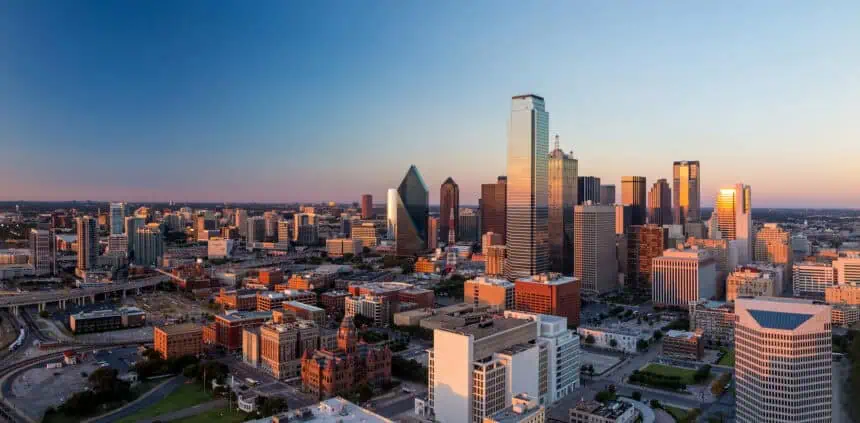
On Tuesday, June 17, large areas of Texas faced a brutal heat wave, prompting a rare and emphatic warning from the National Weather Service (NWS): residents were urged not to consume alcohol or caffeine. Forecasts predicted temperatures soaring as high as 106°F (41°C), especially across western and southwestern Texas.
From Odessa to Big Bend National Park, the advisory blanketed regions including Sanderson, Fort Stockton, Guadalupe Mountains National Park, Carlsbad, Midland, Hobbs, and Lamesa. The heat advisory window, active from noon to 9:00 p.m. Central Time, warned that such extreme heat could trigger severe health emergencies such as heatstroke, especially in vulnerable populations.
NWS and CDC issue critical health precautions
Meteorologists emphasized hydration as a core defense: “Drink plenty of fluids even if you don’t feel thirsty, but avoid alcohol and caffeine,” the NWS stressed under the precautionary/preparedness actions section of its bulletin. The advice targets alcohol and caffeine due to their diuretic properties, which can dehydrate the body more rapidly during heat exposure.
The Centers for Disease Control and Prevention (CDC) reports that more than 700 people die each year in the U.S. from extreme heat. Individuals with asthma, heart disease, or other chronic illnesses face heightened risks under such sweltering conditions.
Heat-related deaths and vehicle safety warnings
The heat’s danger extends beyond outdoor exposure. According to the National Highway Traffic Safety Administration, over 950 children have died from vehicular heatstroke in the last 25 years after being left behind in hot cars. The NWS reiterated the “Look before you lock” reminder, emphasizing that even a few minutes in a locked car under these temperatures can be lethal.
Climate change stoking record-breaking heat events
The 2025 heat wave comes on the heels of increasing climate-related extreme weather events. In 2022, provisional data revealed over 1,700 heat-related fatalities nationwide—a record high. The term “heat dome” entered mainstream discourse as more than 35 million Americans experienced suffocating conditions under an immense high-pressure system.
Texas, among the hardest-hit, continues to feel the compound effects of rising global temperatures, with experts warning of a future marked by intensified droughts, floods, tornadoes, and longer, more aggressive heat waves.
Communities under pressure: local impact and actions
From the Chisos Basin to Carlsbad Caverns National Park, residents and emergency services scrambled to adapt to the oppressive heat. Local officials and the NWS encouraged frequent rest in shaded or air-conditioned spaces, particularly for outdoor workers, echoing OSHA’s guidance for scheduled cooling breaks.
With temperatures expected to remain dangerously high through midweek, many Texans are facing a challenging balance of daily life under life-threatening weather conditions.