

Life in Sri Ganganagar changes under extreme heat
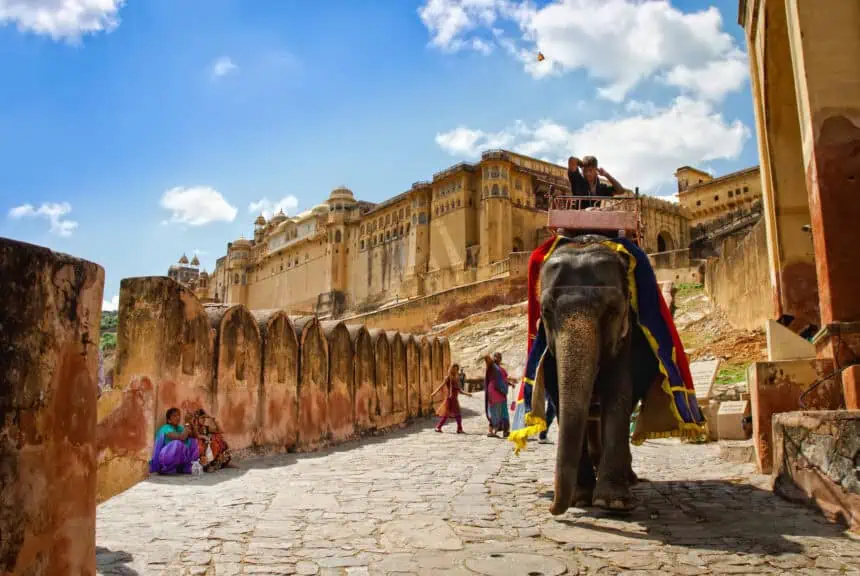
In Sri Ganganagar, a city deep in the Rajasthan desert, life is shifting dramatically to cope with the relentless summer heat. Earlier this June, temperatures soared to 117 degrees Fahrenheit (47°C) — and then even higher the next day, reaching an unbearable 121 degrees Fahrenheit (49°C). This was the hottest location in India at the time.
With rising humidity levels over the past decade, the dry desert heat is turning increasingly oppressive, making survival more difficult for those with no access to air-conditioning, which remains an unreachable luxury for many.
Daily life is dictated by the sun. Outdoor laborers, who form the backbone of the region’s economy, have no choice but to continue working in the scorching daylight. For them, to pause is to go hungry. Their only adaptation is shifting work hours, often starting at dawn and breaking at midday, only to resume again at dusk.
Hospitals and clinics in the area are feeling the strain. As heatstroke cases surge, medical services are increasingly overwhelmed, while local economies suffer due to reduced productivity and labor exhaustion.
In a country of 1.4 billion people, where the climate crisis is escalating rapidly — and Asia is warming at twice the global average — cities like Sri Ganganagar offer a stark glimpse into what life under extreme heat looks like.