

N.J. weather: Tropical Storm Chantal remnants could trigger thunderstorms
Sunday, July 6, 2025 — NEW YORK (local time)
The remnants of Tropical Storm Chantal, currently dissipating over North Carolina, are expected to inject moist tropical air into the Mid-Atlantic, setting the stage for humid, storm-prone conditions across New Jersey to begin the week.
Sunday will feature highs in the upper 80s to low 90s (around 88–92°F / 31–33°C) statewide, with humidity levels climbing steadily throughout the day. Southerly winds are drawing in moisture from the Carolinas, which will support the development of isolated afternoon showers, especially across Southern New Jersey.
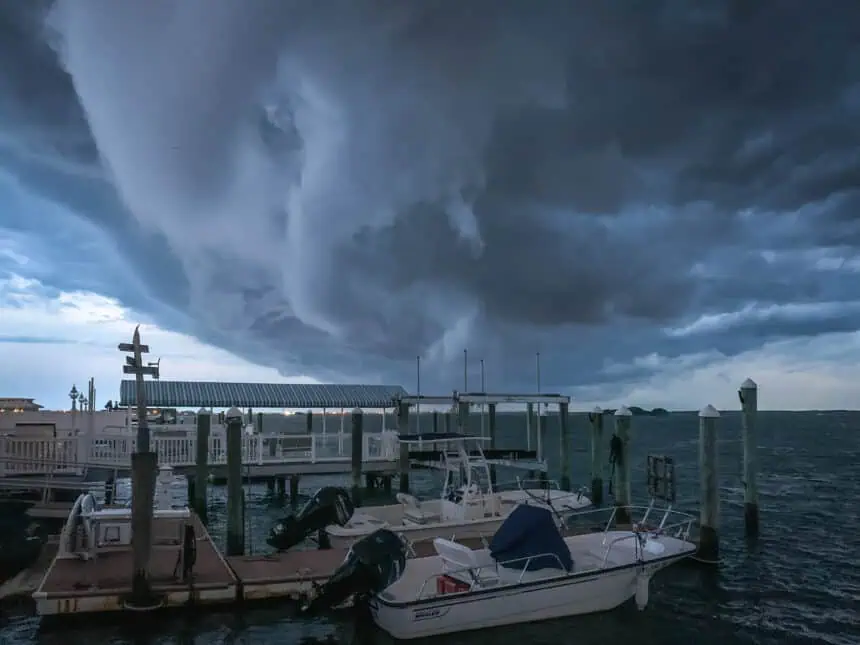
By Monday and Tuesday, the overall weather pattern becomes increasingly unstable. The lingering tropical moisture associated with Chantal’s remnants is forecast to generate scattered thunderstorms, some of which may produce heavy downpours and localized flash flooding. The National Weather Service highlights a limited risk of severe weather, though damaging winds or isolated hail cannot be fully ruled out in stronger cells.
Heat indices are projected to reach near 100°F (38°C) on Tuesday afternoon, particularly in urban areas where heat tends to build. While coastal flooding and erosion are not anticipated, residents should remain alert for quickly forming storms during the late afternoon and evening hours.
Air quality alerts are in effect today for the following New Jersey counties: Bergen, Camden, Essex, Gloucester, Hudson, Hunterdon, Mercer, Middlesex, Morris, Passaic, Somerset, Sussex, Union, Warren, and northwestern Burlington. These advisories reflect elevated ozone levels, common during hot, stagnant summer days.
Looking further ahead, a stalled cold front is expected to linger over the region from Wednesday through Friday, prolonging the chance for intermittent showers and thunderstorms across the Garden State. Daytime temperatures will hover in the mid-80s (around 84–86°F / 29–30°C), accompanied by persistent humidity and periodic rain activity.
Meteorologists emphasize that, while widespread severe weather is not likely, the combination of high heat, high dew points, and tropical air makes for a volatile setup, especially during peak afternoon hours.