

Fort Collins, Colorado – Wednesday, July 9, 2025, 11:16 a.m. EDT — The 2025 Atlantic hurricane season outlook has been slightly downgraded by the Colorado State University team, led by Dr. Phil Klotzbach. The new projection now calls for 16 named storms, a modest drop from the earlier estimate of 17, yet still slightly above the average of 14.4.
So far, the Atlantic basin has produced three tropical storms, but no hurricanes have formed as of today.
High Caribbean wind shear influencing lower storm forecast
The main factor behind the change is the persistently high wind shear over the Caribbean Sea, both observed and forecasted. Wind shear, which is the change in wind speed and direction with altitude, is a known inhibitor of tropical cyclone formation. Elevated levels during June and July are often associated with quieter hurricane seasons.
In the team’s July forecast update, Dr. Klotzbach stated:
“High levels of Caribbean shear in June and July are typically associated with less active hurricane seasons.”
This unfavorable atmospheric condition has led to a reduction in the number of expected hurricanes: now eight are forecast, down from the previous nine.
Ocean temperatures still warm in the Atlantic
Despite the downgrading, sea surface temperatures in the eastern and central Atlantic remain slightly above average, though still cooler than the record-setting heat of 2024. In the Pacific Ocean, surface temperatures are currently near-normal, reflecting neutral ENSO conditions, meaning neither El Niño nor La Niña is dominating the pattern.
Historically, when neutral Pacific patterns coincide with warmer Atlantic waters, the environment becomes more favorable for storm formation.
Probabilities of U.S. hurricane landfalls rise slightly
Klotzbach’s team now estimates a 48% chance of at least one hurricane making landfall somewhere along the U.S. coastline this season. That’s a slight increase over the historical post–July 8 average of 43%.
More specifically, the model indicates a 25% chance of hurricane landfall on the East Coast, and a 31% chance along the Gulf Coast. Both probabilities are a few points above long-term averages.
Meanwhile, there’s a 53% probability of a major hurricane — Category 3 or higher — tracking through the Caribbean, compared to the 47% historical norm.
Recent storm brings flood damage despite lower intensity
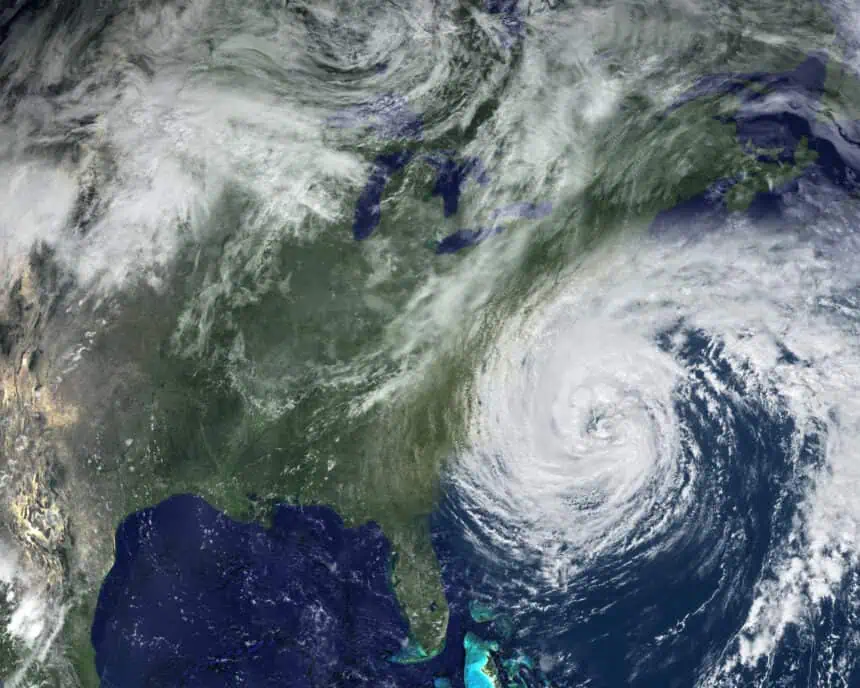
Even storms that don’t reach hurricane status can still cause significant damage. Tropical Storm Chantal, which struck over the weekend in the Carolinas, made landfall as a low-end tropical storm, yet brought heavy flooding to central North Carolina and resulted in one fatality.
Dr. Klotzbach emphasized:
“We anticipate a slightly above-average probability for major hurricanes making landfall along the continental United States coastline and in the Caribbean.”
He added:
“As with all hurricane seasons, coastal residents are reminded that it only takes one hurricane making landfall to make it an active season.”