

NEW YORK — July 11, 2025 — In just under a week, the United States has been hit by not one, but four so-called “1-in-1,000-year” storms, with devastating rainfall events striking Texas, North Carolina, New Mexico, and Illinois.
Each of these storms would typically carry just a 0.1% chance of occurring in any given year, but over the past several days, they’ve arrived one after another, leaving a trail of destruction and tragic loss.
“These are the kinds of events that are rare on their own,” said Kristina Dahl, vice president for science at the nonprofit Climate Central. “To see several of them happen across different regions in such a short span is deeply unsettling.”
The first major event unfolded in central Texas, where torrential rains last week led to catastrophic flash flooding in the Hill Country region. At least 120 people were killed across six counties, and the Guadalupe River near Kerrville rose more than 20 feet in just 90 minutes, overwhelming roads and sweeping away anything in its path.
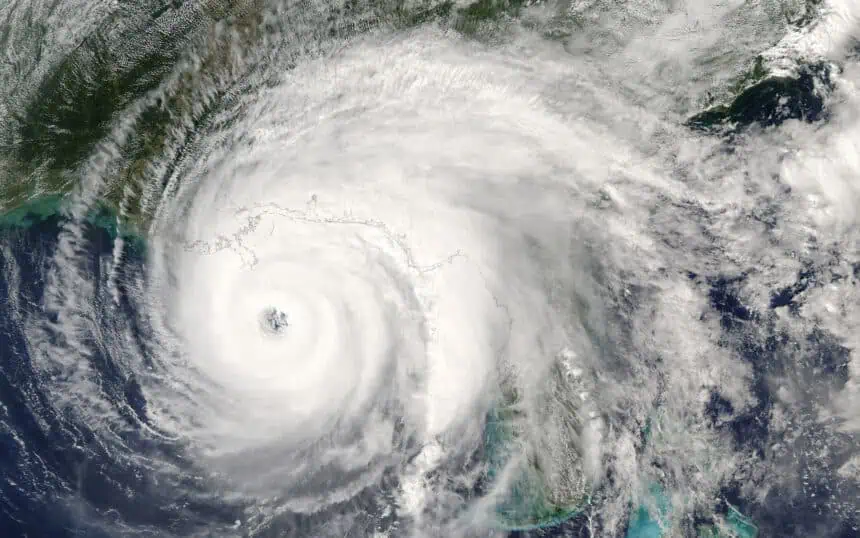
Then on Sunday, Tropical Storm Chantal slammed into North Carolina, dumping nearly 12 inches of rain in 24 hours across the center of the state. Floodwaters submerged entire neighborhoods, and with more rain on the way, the area remains under flood watch. Officials have yet to confirm the total number of fatalities from the storm.
Just two days later, tragedy struck New Mexico, where deadly flash floods raced through the small mountain village of Ruidoso, about 180 miles south of Albuquerque. At least three people died, and many residents are still grappling with the damage. The area had been severely affected by wildfires last year, and the burn scars left behind have made it even more prone to flooding.
That same Tuesday, Chicago was battered by intense rainfall, with 5 inches falling in just 90 minutes over Garfield Park. Streets turned into rivers, and emergency crews carried out multiple rescues on the city’s west side.
While 1-in-1,000-year floods are rare in any single location, they’re not unheard of nationally. “The probability of an event like this happening in one spot is low,” said Russ Schumacher, director of the Colorado Climate Center at Colorado State University, “but across an entire country, you’ll see some of them every year.”
What’s different now, experts say, is the increasing frequency — a trend fueled by climate change.
Warmer air holds more moisture, which means storms today are more capable of unleashing huge volumes of rain. For every degree Fahrenheit the Earth warms, the atmosphere can hold about 3% to 4% more water, increasing the potential for heavy downpours.
“This is one of the clearest signals we have in climate science,” Schumacher said. “The physics are straightforward.”
Dave Gochis, a hydrometeorologist with Airborne Snow Observatories, noted that terrain also plays a major role. The steep hills and shallow soils of Texas’ Hill Country can’t absorb water quickly, creating the perfect setup for flash flooding. In Ruidoso, post-wildfire conditions have left the land especially vulnerable to runoff.
As the damage mounts, so do the human costs. Beyond lives lost and homes destroyed, recovery efforts can take years — and some communities may never fully rebuild.
“These disasters come and go in the headlines,” said Dahl, “but for the people living through them, the aftermath is a long, painful process.”