
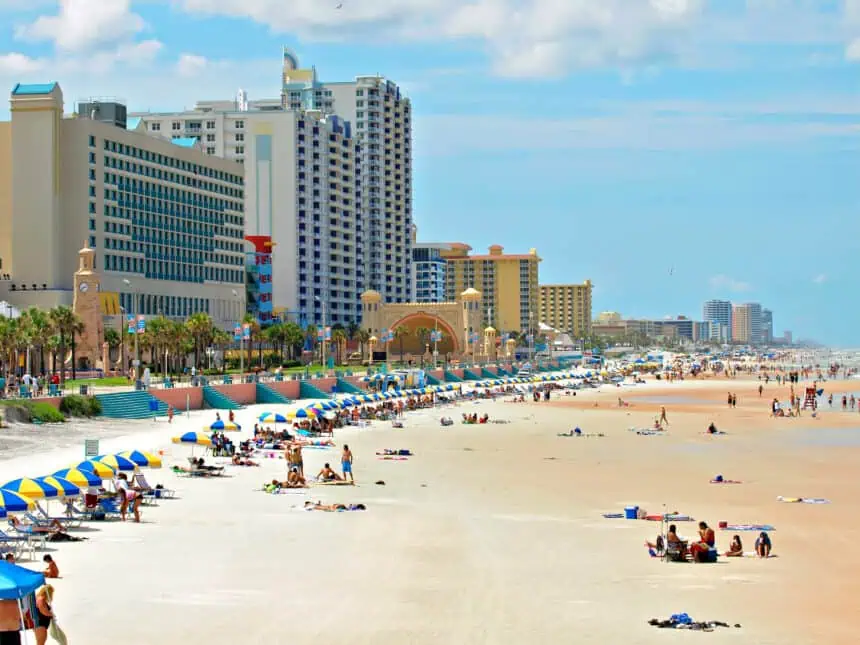

Heat index climbs in Daytona, Volusia and Flagler counties
Volusia and Flagler Counties, along with much of Central Florida, are currently under a heat advisory through 6 p.m. Friday, July 18, and according to meteorologists at the National Weather Service in Melbourne, these dangerous conditions are expected to persist through the weekend.
Even though air temperatures in the area aren’t breaking records — with highs nearing 93°F (34°C) in Volusia and 95°F (35°C) in Flagler — the heat index has soared to about 109°F (43°C), driven by unusually high humidity. This elevated “feels-like” temperature is what triggered the advisory.
“Temperatures are reaching the low to mid 90s, which isn’t surprising for July,” said Derrick Weitlich, meteorologist at the NWS office in Melbourne. “But what’s different now is the elevated humidity across the region.”
That extra moisture in the air significantly amplifies the heat index, making it feel much hotter than the actual temperature.
“Another factor adding to today’s heat is the lack of expected rain,” Weitlich added. With no cooling showers in the forecast, heat and humidity will linger longer throughout the day.
Normal July highs in Volusia County typically range between the upper 80s and low 90s, but this combination of heat and humidity is creating above-average stress on the human body.
While the current advisory ends at 6 p.m., Weitlich confirmed that more alerts will likely be necessary in the coming days. “It looks like the heat and humidity will only continue to increase into the weekend,” he warned.
What does a heat advisory really mean?
A heat advisory is issued when the heat index — a measurement combining air temperature and relative humidity — surpasses 105°F (41°C). This index reflects what the temperature feels like to the human body, not just what the thermometer shows.
On Friday, humidity levels in Volusia County hovered around 84%, while Flagler County saw about 70%, which is more than enough to drive the heat index into dangerous territory.
Under these conditions, being outside — especially for long periods — can pose serious health risks, particularly if people are unaware or unprepared.
How heat affects your body
The National Weather Service warns that under such oppressive conditions, heat-related illnesses are not just possible, they’re likely. This includes heat cramps, heat exhaustion, and even heat stroke, especially with prolonged exposure or physical activity outdoors.
Those without adequate air conditioning or access to hydration are at much higher risk. Simply relying on fans or open windows at night won’t be enough, according to forecasters.
“Take frequent breaks in air-conditioned buildings,” Weitlich advised. “If you’re on a job site or spending time outdoors, stay hydrated.”
Early signs of heat exhaustion include dizziness, nausea, heavy sweating, excessive thirst, and fatigue. If someone begins to feel faint, it’s critical to move them into a cooler area, loosen clothing, and offer cool water.
If symptoms escalate to unconsciousness, it may indicate heat stroke, which can lead to permanent disability or even death. In such a case, call 911 immediately.