

Potential early tropical disturbance in the Caribbean
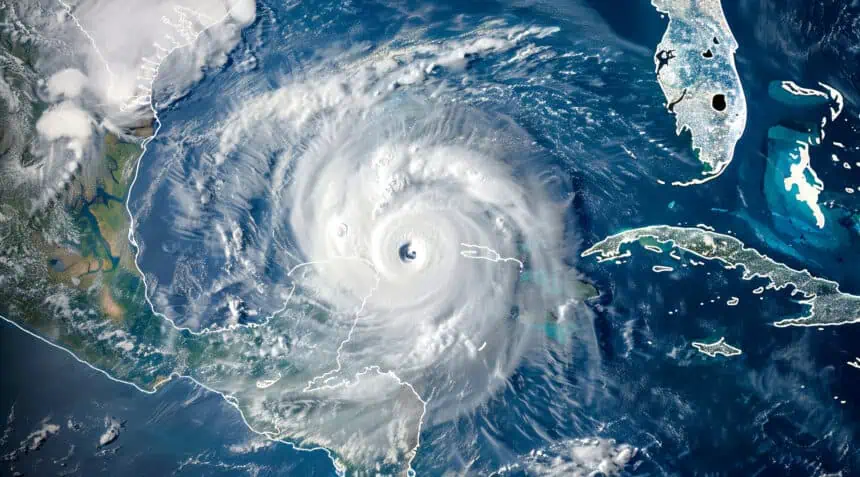
A tropical disturbance could form in the Caribbean Sea even before the official start of the 2025 Atlantic hurricane season on June 1. According to the National Hurricane Center (NHC), Colorado State University (CSU), NOAA, and other international forecasting centers, there’s growing consensus that a broad area of low pressure may begin organizing in the western Caribbean and Central America region during the second half of May.
Although no tropical system has officially formed yet, forecast models show a potential cyclonic development off the coast of Central America, in an environment shaped by oceanic and atmospheric conditions that typically support early-season tropical activity.
NHC will begin its routine tropical outlooks on May 15, a shift aimed at improving the tracking of any preseason systems that may evolve before the official window that runs from June 1 to November 30.
Forecast models indicate May development
Forecast data from both the GFS (United States) and the ECMWF (Europe) detect signs of a low-pressure system forming later in May. FOX Weather meteorologist Bryan Norcross explained that there’s a high level of agreement about a broad gyre emerging, but its northward movement appears unlikely due to a high-pressure system over the northern Caribbean.
This possible development may be related to the Central American Gyre, a large-scale atmospheric pattern that frequently generates heavy rainfall and has historically helped trigger cyclones early in the season, as NOAA confirms.
Colorado State University’s seasonal outlook, issued in April, projects a very active hurricane season, forecasting 17 named storms, 9 hurricanes, and 4 major hurricanes. These estimates stem from unusually warm ocean temperatures and a favorable atmospheric setup across the tropical Atlantic.
ENSO transition and ocean heat boost cyclone potential
The transition from La Niña to ENSO-neutral conditions, combined with above-average sea surface temperatures, is a significant factor influencing current cyclone predictions. This shift not only raises the chance of early tropical activity, but also intensifies concerns for the peak season months of August through October.
Forecasts from the Cuban Institute of Meteorology and Mexico’s National Meteorological Service also point to an active 2025 season, expecting 13 to 17 tropical storms, with 6 to 8 hurricanes, and 3 to 4 major hurricanes. The potential for a direct impact on Cuba is currently rated as moderate.
According to NOAA’s historical data, 43 tropical systems have developed in the Atlantic Basin between January and May since 1851, averaging one preseason cyclone every four years. Notably, only 2022 and 2024 escaped early activity in the past decade.
Meteorologists from NHC and CSU urge caution when interpreting long-range models. They emphasize the need for consistent signals across various simulations before issuing any concrete alerts.