
Saharan dust returns to Florida skies
Each year, like clockwork, vast clouds of Saharan dust cross the Atlantic Ocean and reach the shores of Florida. This time is no different. The Saharan Air Layer (SAL) is once again making its 5,000-mile journey from northern Africa to the Sunshine State, carried by strong trade winds that rise more than 15,000 feet above the desert floor.
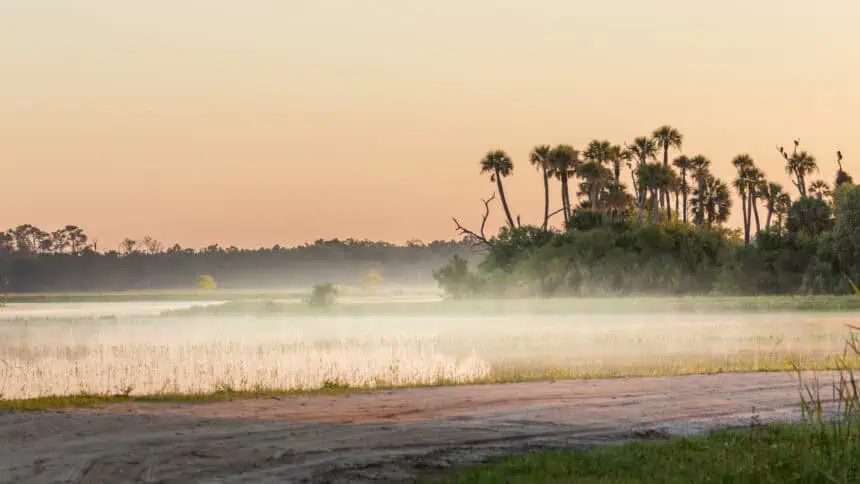
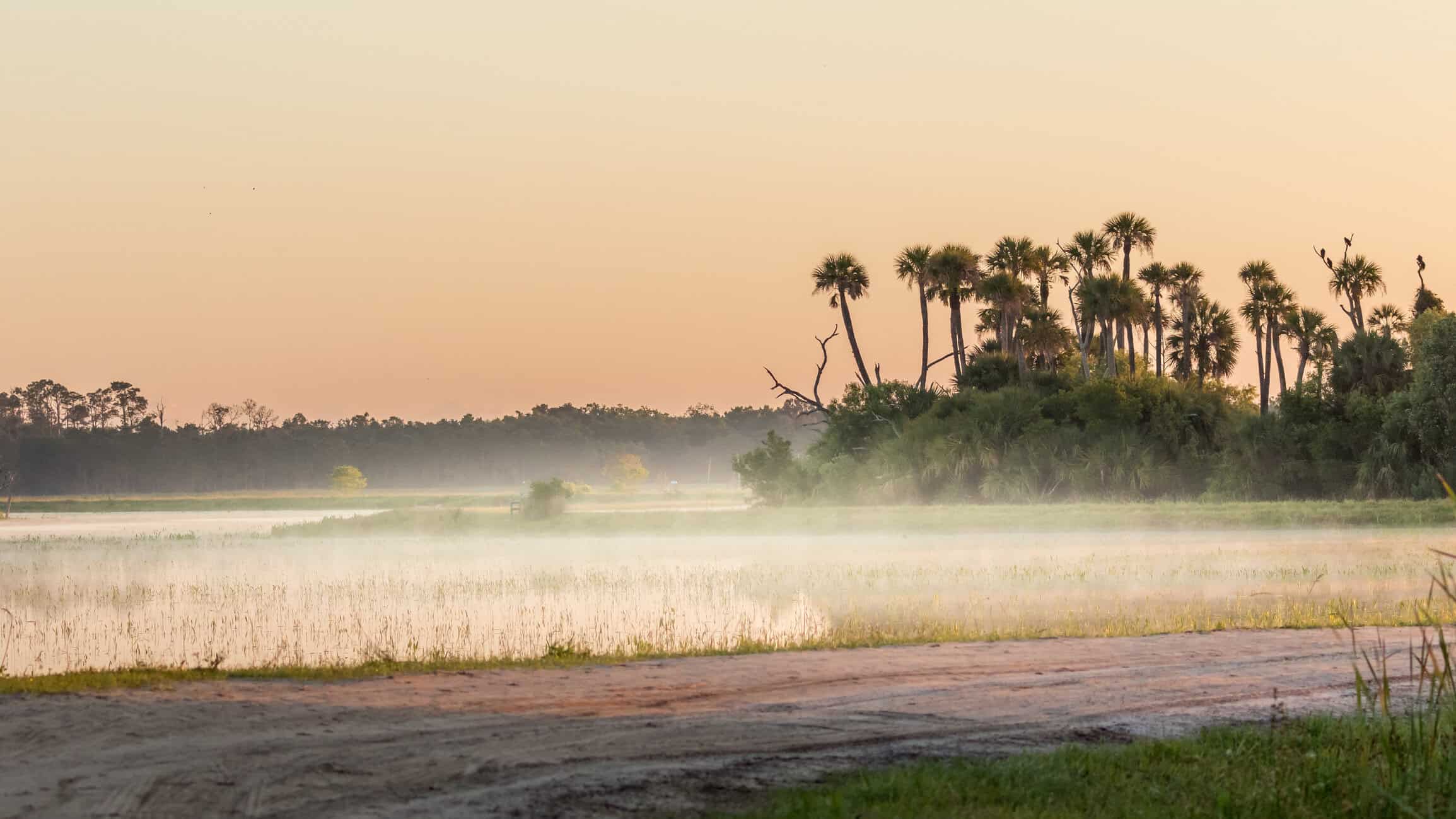
The result? Hazy skies, intense pink-orange sunsets, and a noticeable shift in air quality across much of central and southern Florida, including Orlando, Tampa, and Miami.
A double-edged sword in the sky
While the dust can irritate the lungs—particularly in asthma or respiratory-sensitive individuals—it also plays a surprising role in nature. Rich in iron and other nutrients, Saharan dust acts as a natural fertilizer for the Atlantic Ocean, nourishing coral reefs and promoting marine plant growth, especially near the Florida Keys.
However, there’s a more mysterious side: along with minerals, the dust may transport microbes—bacteria, viruses, and fungi—across continents. Although ongoing research is exploring their exact impact, the possibility of long-distance microbial travel has fascinated and concerned scientists alike.
The dust’s journey and summer decline
The dust lifts off from Africa’s desert with the help of intense wind systems, then glides across the ocean on a kind of aerial expressway. But its voyage is seasonal.
By August and September, warmer Atlantic waters spawn tropical rains and humid air masses, washing the dust from the sky and blocking its westward movement. Weaker wind systems later in summer also reduce the volume and height of the dust-laden air.
Saharan dust: Hurricane deterrent
Perhaps the most fascinating feature of this weather phenomenon is its ability to suppress hurricanes.
Because the SAL is extremely dry, it acts like a sponge that absorbs moisture from the atmosphere—moisture that hurricanes rely on. It also brings strong upper-level winds that disrupt storm formation by introducing wind shear, making it harder for systems to grow or stay organized.
Additionally, the dust particles reflect sunlight, slightly cooling sea surface temperatures. Since warm water is the fuel for tropical cyclones, this cooling effect limits storm intensity.
In essence, while the hazy skies and reddened sunsets may grab attention, the SAL is a silent force in storm control—at least for now.
A summer signal above the Gulf and Caribbean
From the Caribbean to the Gulf Coast, the presence of Saharan dust is a reminder of the deep climatic links between continents. It’s a transatlantic phenomenon that connects Africa and North America, offering both challenges for air quality and benefits for storm suppression.
This dusty air mass is more than just a meteorological curiosity—it’s a seasonal sentinel of the approaching Florida summer.