

Air quality concerns rise in the Upper Peninsula
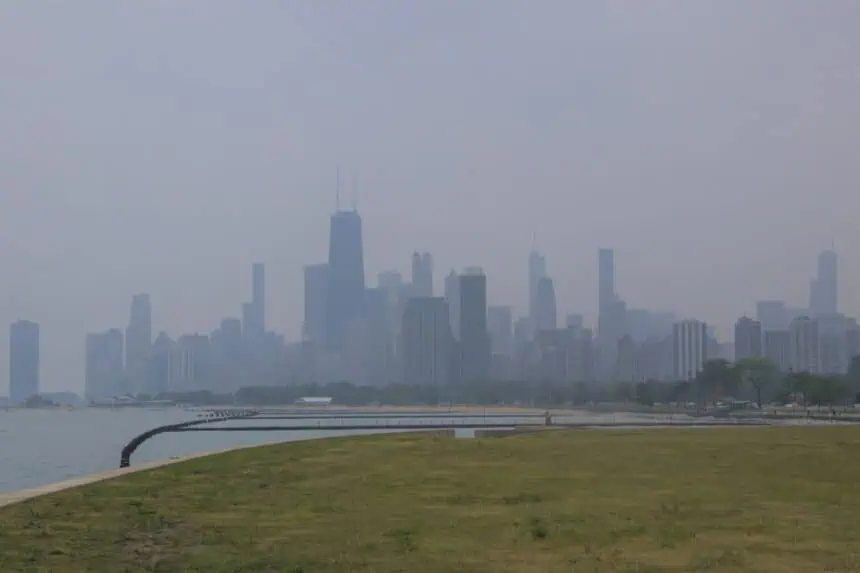
Wildfires raging across Canada are sending dense plumes of smoke into Michigan, prompting statewide concern and triggering an air quality advisory specifically for the Upper Peninsula. As of Monday, June 2, levels of fine particulate matter (PM2.5) have increased substantially, leading to conditions considered unhealthy for sensitive groups across multiple counties.
According to MiAir, a division of Michigan’s Department of Environment, Great Lakes, and Energy, southwesterly winds are pushing wildfire smoke eastward, worsening the situation. This uptick in air pollution is tied to the advance of a warm front moving into the area Sunday night, which will continue influencing air quality through at least midweek.
Counties affected by the advisory
The air quality advisory remains in effect through June 2 for the following Upper Peninsula counties:
Alger, Baraga, Chippewa, Delta, Dickinson, Gogebic, Houghton, Iron, Keweenaw, Luce, Mackinac, Marquette, Menominee, Ontonagon, and Schoolcraft. These areas are seeing 24-hour average fine particulate concentrations fluctuate between moderate and unhealthy for sensitive groups—marked in orange on the Air Quality Index (AQI) scale.
AQI explained: what the numbers mean for your health
The Air Quality Index is a color-coded tool used to evaluate air pollution. Here’s a quick overview:
- Good (0–50, green): Air quality is satisfactory.
- Moderate (51–100, yellow): Acceptable for the general population, but some pollutants may affect sensitive individuals.
- Unhealthy for Sensitive Groups (101–150, orange): People with respiratory or cardiovascular conditions, children, seniors, and individuals with lower socioeconomic status are more at risk.
- Unhealthy (151–200, red): Health effects may begin for everyone, especially during prolonged exposure.
While daily averages remain mostly in the moderate range, hourly spikes into the red AQI zone are possible, particularly in the early part of the week.
Current wildfire situation in Canada
The Canadian wildfire crisis is critical. As of May 30, Natural Resources Canada reports 77 uncontrolled fires with the largest burning across Ontario, Manitoba, and Alberta. Sizes vary drastically, from 9,100 to 306,000 acres, and much of the nation is operating under Preparedness Level 5—the highest possible emergency level.
Both Saskatchewan and Manitoba have declared provincial states of emergency. Canadian authorities are now relying on international support, as national resources are stretched to the limit.
Forecast for the coming days
The smoke is expected to linger. Forecast models show a boundary entering the region late Tuesday, likely stalling through the week and triggering scattered storm development. These weather shifts could mix or redistribute air pollutants, but air quality conditions will continue to be monitored closely by MiAir and national partners.
How to track air quality in your area
Residents in Michigan can monitor real-time conditions using the MiAir Quality Index Dashboard, a resource maintained by EGLE. Additionally, national platforms like AirNow allow users to check AQI by ZIP Code or city, while AccuWeather offers a pollutant breakdown feature.
Vulnerable populations and pets at higher risk
Sensitive groups include:
- People with asthma, heart disease, or diabetes
- Children and older adults
- Individuals from low-income communities
Animals are also vulnerable. According to State Veterinarian Nora Wineland, pets—especially birds, or animals with pre-existing respiratory conditions—may show symptoms such as coughing, wheezing, eye irritation, and fatigue. Pet owners are advised to:
Keep animals indoors with windows and doors shut, limit strenuous activity, and use fans, purifiers, or air conditioning to maintain airflow. Concerns about symptoms should prompt a call to a veterinarian.