

A wetter May, but not record-breaking
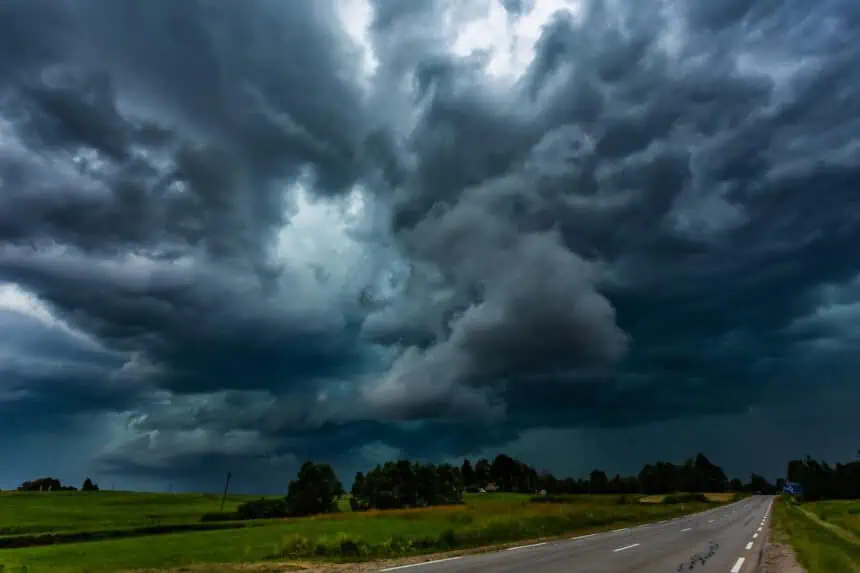
Denver experienced a noticeably wetter May in 2025 compared to last year, though the rainfall wasn’t extreme by historical standards. According to official records taken at Denver International Airport, the city received 3.57 inches (90.7 mm) of rain this May — 1.41 inches (35.8 mm) more than the average for the month, which typically sees 2.16 inches (54.9 mm). This is more than double the amount recorded in May 2024, which only brought 1.7 inches (43.2 mm).
While May is statistically the wettest month of the year in Denver, 2025’s totals didn’t approach the historic highs. May 2023 still ranks as the fourth wettest on record, with over 5 inches (127 mm), while the rainiest May ever occurred in 1876, with a staggering 8.57 inches (217.8 mm).
Rainfall so far in 2025: above normal, but trailing last year
As of June 3, Denver had accumulated 6.52 inches (165.6 mm) of rain for 2025 — already above the normal year-to-date total of 5.64 inches (143.3 mm). However, that’s still significantly behind the 8.37 inches (212.6 mm) recorded by this time in 2024, thanks to a wetter April last year that gave totals a strong head start.
One noteworthy storm event this spring came on May 26, when 1.39 inches (35.3 mm) of rain fell in a single day, breaking a 75-year-old daily rainfall record set in 1950.
Greener landscapes, but rising wildfire risks
The abundant moisture has made landscapes greener and helped improve drought conditions across Colorado. But meteorologists are raising early warnings. According to FOX31’s Travis Michels, the recent rains — while welcome — could contribute to wildfire fuel buildup if dry conditions return later in the summer.
The issue is not new: lush spring growth often dries out under Colorado’s summer sun, becoming ideal fuel for wildfires. Michels cautioned that without consistent moisture, that same green growth can become a significant fire hazard.
Nearly half of Coloradans live in regions considered at risk for wildfires. The Colorado State Forest Service has urged residents near natural vegetation to stay alert and take action now to minimize fire danger.
While Denver’s spring weather has helped erase precipitation deficits, it has also set the stage for a volatile summer, where the balance between continued rainfall and rising temperatures will be critical.