


- Food and beverages can spoil or explode
- Aerosol cans may explode
- Sunscreen can lose effectiveness
- Lighters pose a fire risk
- Plastic bottles release harmful chemicals
- Batteries can leak or rupture
- Electronics can shut down or fail
- Medication may lose potency
- Sunglasses and glasses may warp
- CDs and DVDs can melt
- Children and pets are at serious risk
Temperatures in Arizona are rising dangerously
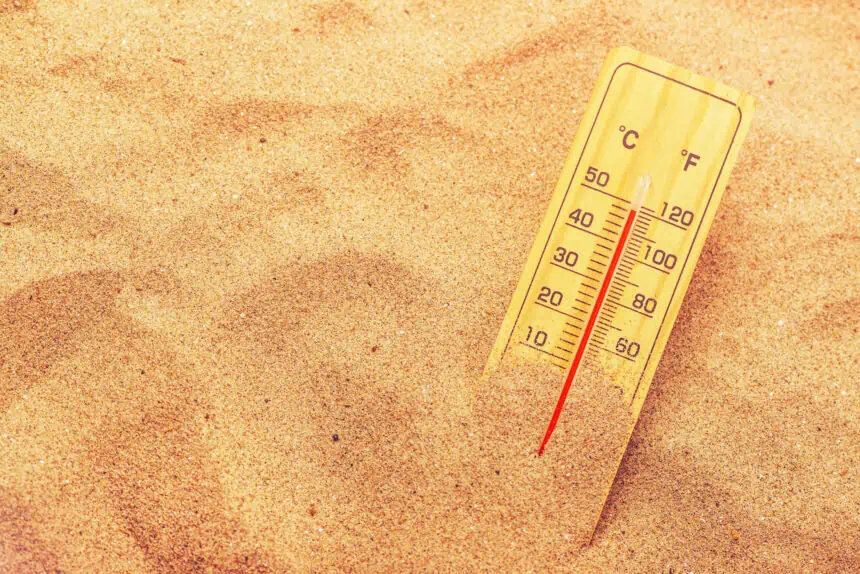
During June in Arizona, especially across the Phoenix Valley, it’s not uncommon to experience daytime highs of 110°F (43°C) or more. Even in milder ambient conditions, the interior of a parked car can heat up by 20°F (11°C) within 10 minutes. After an hour, temperatures inside can easily reach 140°F (60°C), according to the American Veterinary Medical Association.
Here’s a comprehensive guide on what you should never leave in a hot vehicle.
Food and beverages can spoil or explode
Groceries, leftovers, or snacks left inside a hot car for more than two hours — or just one hour when it’s over 90°F (32°C) — can become a breeding ground for foodborne bacteria, which double every 20 minutes. In extreme heat, soda cans may burst, and wine corks can pop, potentially causing sticky, dangerous messes.
Aerosol cans may explode
Pressurized spray cans, including deodorant, hairspray, and disinfectants, are extremely temperature-sensitive. When exposed to extreme heat, their contents expand rapidly, putting pressure on the canister and potentially causing explosions.
Sunscreen can lose effectiveness
According to the CDC, heat can degrade sunscreen, reducing its shelf life and effectiveness. Sunscreen left in a hot vehicle may not provide adequate protection the next time you apply it.
Lighters pose a fire risk
Lighters contain flammable fuel that expands when heated. If left in direct sunlight or an enclosed car, the lighter casing may rupture, which can lead to fires or personal injury.
Plastic bottles release harmful chemicals
High temperatures increase the risk of bisphenol A (BPA) leaching from plastic containers into the water inside. A clear plastic bottle left under the sun may also magnify rays, raising the temperature even more.
Batteries can leak or rupture
Leaving alkaline or lithium batteries in a vehicle can lead to permanent damage, loss of capacity, or dangerous leakage. Battery acid is corrosive and toxic when inhaled, posing health risks and damaging surfaces.
Electronics can shut down or fail
Phones, tablets, and laptops are not built to withstand prolonged exposure to high heat. Internal components may warp or fail, and batteries can swell, permanently damaging the device.
Medication may lose potency
High temperatures can alter the chemical composition of both prescription and over-the-counter drugs. If the integrity of the medicine is compromised, it may no longer be effective or could even become unsafe.
Sunglasses and glasses may warp
Both plastic frames and lens coatings can deform under intense heat. Even metal frames can become too hot to wear, posing a risk of skin burns on contact.
CDs and DVDs can melt
Though increasingly rare, if you still have CDs or DVDs in your car, be aware that they can warp and become unreadable. The cases may also melt, fusing materials together permanently.
Children and pets are at serious risk
According to the National Highway Traffic Safety Administration, heatstroke is a leading cause of non-crash vehicle-related deaths among children in the U.S. The interior of a vehicle can become deadly in minutes, and cracking the windows does not help. Pets, especially dogs, are equally vulnerable to heatstroke, and should never be left inside a vehicle — even briefly.
Stay aware this summer across Arizona, especially in Maricopa County, as hot weather intensifies. Leaving any of the above items inside your vehicle can lead to damage, health risks, or dangerous situations.