

Geomagnetic activity expected to intensify tonight
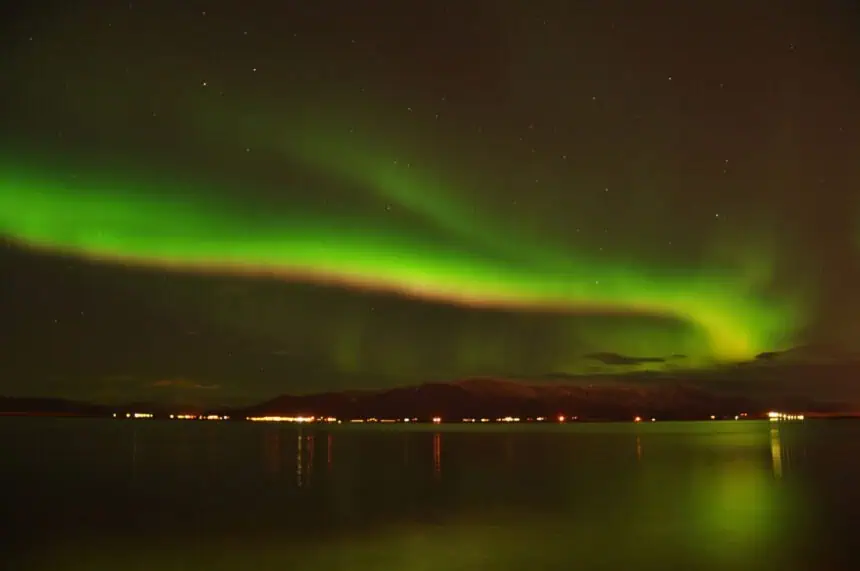
According to the latest NOAA forecast, intermittent geomagnetic storms are expected to continue into the weekend, potentially creating strong Northern Lights displays across the northern United States. The Kp index for Friday night is expected to reach 4—a level that can result in visible auroras in states well south of the Canadian border, making this a rare viewing opportunity for many Americans.
States with the best viewing chances tonight
The strongest visibility of the aurora borealis is expected in Alaska and across much of Canada, as usual. However, the southern boundary of the aurora’s view line, projected by NOAA, includes several U.S. states where sightings are less common. These include:
Montana, North Dakota, Minnesota, Wisconsin, Michigan, South Dakota, Washington, Idaho, Maine, and northern New York.
NOAA issued a G2 geomagnetic storm warning earlier today, which means moderate-strength solar activity is pushing the auroras farther south than usual.
Saturday’s outlook: More lights ahead
Saturday night is expected to mirror Friday in terms of auroral activity. NOAA predicts a continued Kp index of 4, alongside the arrival of a coronal hole high-speed stream—a surge of solar wind originating from a coronal gap on the sun’s surface. These solar winds are anticipated to strike Earth’s magnetic field again Saturday evening, potentially sustaining or intensifying aurora visibility into the next night.
Best hours and conditions for viewing
The most vibrant displays are expected between 10 p.m. and 2 a.m. local time, provided skies remain clear. To improve viewing, NOAA suggests heading to elevated areas, avoiding light pollution, and positioning yourself as far north as possible within your state.
Tips for photographing the aurora
Professional photographers advise using a tripod for stability and experimenting with longer shutter speeds. If you’re using a smartphone, iPhones with night mode and a wide-angle lens can help capture the auroras effectively.
Solar maximum driving peak activity in 2024 and 2025
The current visibility surge is part of a broader trend. 2024 has already marked a 500-year peak in aurora borealis activity, tied to the solar maximum phase in the sun’s 11-year cycle. During this phase, the sun produces more sunspots and solar flares, driving increased geomagnetic activity. This is expected to continue through 2025, before activity gradually declines over the following years.
Some of the most intense auroral storms in recent memory occurred just last month, in May 2024, when powerful solar flares triggered severe geomagnetic storms seen as far south as Florida.
If skies remain clear tonight, residents of northern U.S. states could be treated to another dazzling night of natural light displays.