

Understanding lightning in Houston’s summer skies
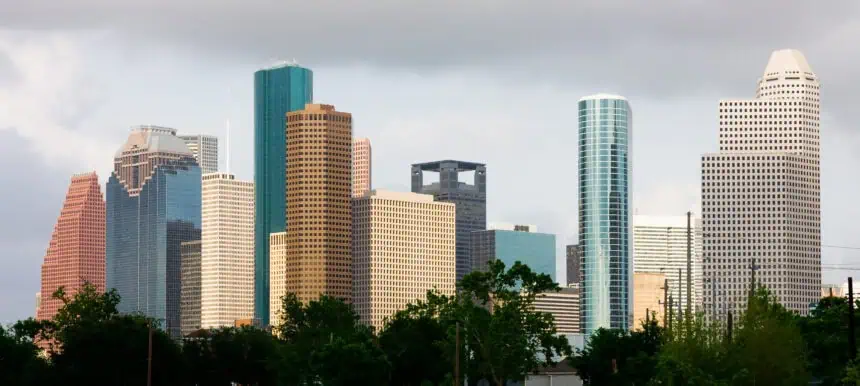
During summer afternoons in Houston, the sight of isolated to scattered thunderstorms is almost a daily occurrence. While these storms might seem brief or localized, they often bring one of the most dangerous elements of severe weather: lightning.
But what is lightning, really, and why is Houston experiencing more frequent episodes during the summer months?
How lightning forms in the atmosphere
Lightning begins with the formation of storm clouds, where air acts as an insulator between positive and negative charges in the atmosphere. As these electrical imbalances grow stronger within the cloud, the air’s insulating capacity weakens. Once it fails completely, a massive electrical discharge occurs — and this is what we see as lightning.
That flash you spot during a summer storm is the result of built-up energy violently discharging through the sky.
The three most common types of lightning
There are three major types of lightning:
Intracloud (IC) lightning occurs within a single cloud and is the most frequent type, driven by opposite charges inside the same cloud.
Cloud-to-cloud (CC) lightning takes place when charges between different clouds discharge.
The most well-known type is cloud-to-ground (CG) lightning, which happens when a cloud and the Earth’s surface exchange opposite charges. This is also the type most associated with direct danger to people and infrastructure.
What makes thunder follow lightning?
Thunder is the sound that results from a lightning strike. When lightning cuts through the atmosphere, it superheats the air along its path — temperatures can spike up to 50,000°F (27,760°C) — causing a violent expansion of air, which creates the booming sound we know as thunder.
Because light travels faster than sound, we often see the flash before we hear the rumble — or, depending on distance, may not hear it at all.
Why Houston is seeing more isolated storms
Houston is experiencing an increased frequency of isolated thunderstorms during the summer due to a combination of high humidity, intense daytime heating, and abundant Gulf moisture. These ingredients create ideal conditions for localized convection, which is the primary driver behind pop-up thunderstorms and the lightning bursts they carry.
As the city’s concrete and asphalt trap heat during the day, warm moist air rises quickly into the atmosphere. This rapid uplift feeds thunderstorm development, particularly in the late afternoon and early evening, when surface heating is at its peak.
Lightning can strike from miles away
A dangerous aspect of lightning is its ability to strike from as far as 10 miles away from a thunderstorm. It can hit without warning, even if clear skies appear overhead — what meteorologists call a “bolt from the blue.”
Despite its stunning visual beauty, lightning is a deadly phenomenon. In fact, it can be five times hotter than the surface of the Sun, and most lightning-related fatalities occur when people seek shelter under trees or remain outdoors during storms.
Men most at risk from lightning strikes
Statistical patterns show that men are more likely to be victims of fatal lightning strikes, often due to occupational exposure or recreational activities during inclement weather. The majority of these incidents occur under trees, where many falsely assume they’re protected.
As the summer storm season intensifies, especially across Southeast Texas, it’s crucial to remember the simple rule: “When thunder roars, go indoors.”