
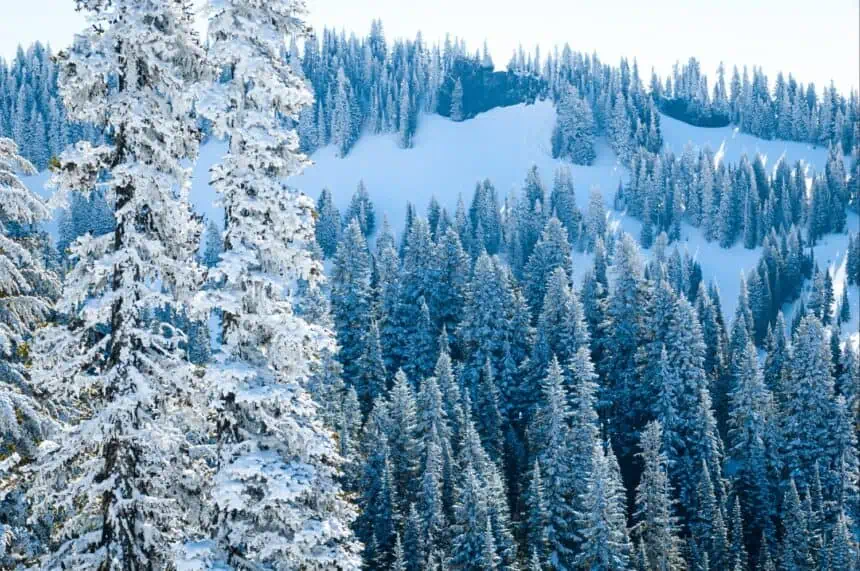

Icy spectacle on the summit of Mount Washington
On the morning of Thursday, May 22, the Mount Washington Observatory unveiled a breathtaking, frozen panorama shaped by a thick layer of rime ice—a fascinating phenomenon that painted the New Hampshire peak in shimmering white.
What is rime ice and how does it form?
Rime ice is not your average frost. It forms when supercooled water droplets—tiny particles of liquid water suspended in freezing fog—strike an object and instantly freeze upon contact. For this to occur, temperatures must remain below 32°F (0°C), and the air must be saturated with fog or cloud.
This phenomenon occurs commonly at high elevations, such as the 6,288-foot summit of Mount Washington, where harsh winds, extreme cold, and moisture-rich clouds combine to generate these dramatic ice formations. As these supercooled droplets coat weather instruments, buildings, railings, and rocks, the ice grows outward in feathery, wind-sculpted patterns.
A rare visual marvel in the Northeastern United States
The images captured by the observatory’s cameras show the full force of nature’s icy artwork, with everything from metal towers to wooden structures cloaked in thick, white crystalline layers. This display is both beautiful and hazardous, reinforcing Mount Washington’s reputation as home to some of the most severe weather conditions in the United States.
Despite the calendar inching closer to summer, New Hampshire’s highest peak remains a stark reminder of winter’s lingering grip, where weather extremes can paint the landscape in white even as the valleys below bask in spring.