

KERR COUNTY, Texas — In the early morning darkness of Friday, July 4, a flash flood tore through Kerr County, overwhelming riverside camps, RV parks and homes, leaving behind devastation and a rising death toll. But the first alert from the National Weather Service (NWS) had come 3 hours and 21 minutes earlier — time that, if used, could have made a difference.
At 1:14 a.m., the NWS issued its first flash flood warning for central Kerr County, stating that life-threatening flooding was either occurring or imminent. That alert should have reached phones, weather radios and emergency channels across the county. Still, by the time the first flooding reports came in from low-lying crossings, hours had passed, and emergency responses remained limited or delayed.
Despite the NWS’s repeated updates and escalating alerts, it remains unclear how local officials responded. City leaders in Kerrville and county officials have not provided detailed timelines of their actions. Press conferences have largely focused on rescue efforts, leaving many questions about preparedness and communications unanswered.
“We knew there was a flash flood warning,” said Governor Greg Abbott on Tuesday. “No one would know that would be a 30-foot-high tsunami-ball of water.”
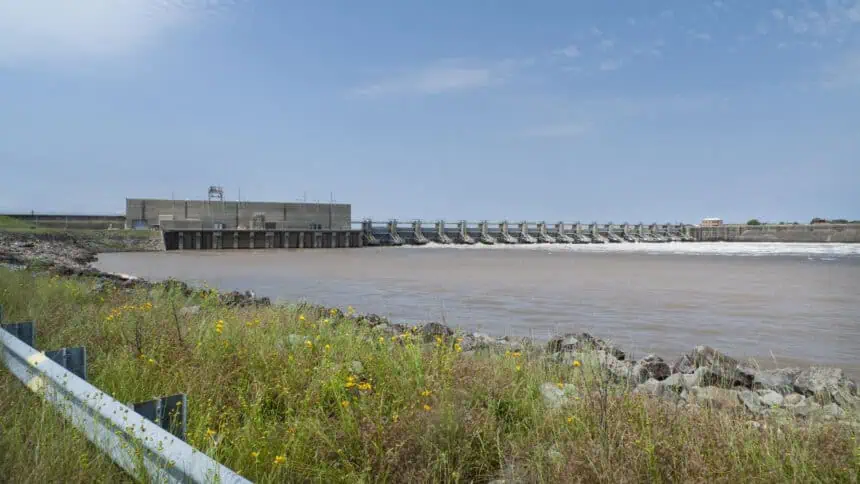
By 4:03 a.m., the NWS escalated its alert to a flash flood emergency, a rare classification indicating a catastrophic and deadly flood event in south-central Kerr County. The Guadalupe River had already surged over 14 feet in less than three hours. At 5:34 a.m., a second emergency alert was sent out for east-central Kerr County, warning of a “large and deadly flood wave.”
But official warnings on platforms like the Kerr County Sheriff’s Office Facebook page only went live around the same time — well after the river had overtopped its banks near Hunt and was bearing down on Kerrville.
Communication gaps and unanswered calls
While NWS meteorologists confirm they tried to communicate directly with county leaders overnight, some of those calls reportedly went to voicemail. Kerrville’s Mayor, Joe Herring, said he didn’t learn about the flood until 5:30 a.m., when the city manager called to inform him that the downtown park — the planned site for July 4 festivities — was submerged.
“I wish to God there had been some way to warn them,” said Herring, who lost two close friends — Jane Ragsdale and Dick Eastland, directors of two local summer camps — to the flooding.
From flood watch to flood emergency
The first flood watch was issued Thursday at 1:18 p.m., nearly 12 hours before the flash flood warning. It covered a wide swath of Central Texas, including Kerr County. At that time, federal forecasters signaled that the conditions for flooding were in place, though specifics about rainfall intensity and location remained uncertain.
Alan Gerard, a former NOAA meteorologist, compared such events to tornado forecasting, saying: “We can tell you the conditions are favorable, but we can’t tell you exactly how strong the tornado is going to be or whether or not it’s going to hit your house.”
Kerr County, part of the Texas Hill Country, is known for rapid river rises due to its limestone terrain, which offers little water absorption. These natural features, combined with a significant drought and the sudden deluge, made for a volatile and deadly mix.
The silence before the wave
Some residents received the early alerts but didn’t fully grasp the urgency. Valerie Peters, staying at Jellystone Park, muted her phone alerts and went back to bed, expecting just another rainy night. “We could have died,” she later said. “We had no idea how serious this rain was.”
Meteorologists call this the “last mile” problem — the critical gap between issuing forecasts and ensuring the right people receive and act on them. In Kerr County, it’s still unclear who was monitoring warnings and whether emergency systems like CodeRED reached the most vulnerable.
At 6 a.m., Mayor Herring said he received the only alert on his phone from the county’s CodeRED system, hours after the first NWS message.
Devastation in Flash Flood Alley
The disaster unfolded in a region long known as “Flash Flood Alley”, especially vulnerable during holiday weekends when visitors crowd campgrounds and river parks. By Tuesday, the flooding had claimed over 90 lives in Kerr County alone. Dozens more were still missing.
And yet, while the NWS acted quickly — issuing watches, warnings, and rare emergency alerts — the local response remains under scrutiny. Judge Rob Kelly, Sheriff’s Office representatives, and the emergency coordinator have not clarified what action they took, if any, following the early alerts.
As meteorologists and climate scientists point out, warnings are only effective if they’re heard, understood, and acted upon — a challenge that remains all too familiar, especially in a place where flood watches are common and sometimes dismissed as false alarms.
“Even a modest acknowledgment of the danger predicted could have changed the outcome,” said Daniel Swain, a climate scientist with the University of California.